What If Your Shoe Cabinet Could Remember Everything For You?
Have you ever stood by the door, one foot in a shoe, the other bare, forgetting which pair you wore yesterday—or which ones are ready to wear again? I used to. Until my shoe cabinet started remembering for me. It sounds strange, I know. But in a world where fridges track expiration dates and lights adjust to our moods, why shouldn’t our shoes get a little smart care too? This isn’t about luxury—it’s about peace of mind, daily ease, and keeping life just a little more in order. Now, every morning feels a little lighter, a little calmer. And honestly? I didn’t realize how much mental space I was wasting on something as simple as footwear—until I didn’t have to think about it anymore.
The Morning Chaos No One Talks About
Let’s be real—mornings are hard. You’ve got breakfast to pack, kids to dress, emails already piling up before the coffee’s even brewed. And then, just as you’re about to walk out the door, you realize: you’re wearing two different shoes. Or worse, you’re standing barefoot, staring into a mountain of footwear, trying to remember which pair you wore yesterday. Was it the black flats? The brown loafers? Did you already wear the sneakers twice this week? That little moment of confusion might seem small, but it adds up. It’s the kind of tiny friction that steals your focus, your calm, your confidence—right when you need it most.
I remember one Tuesday in particular. My daughter had a school photo, and I wanted everything to be just right. Her hair was perfect, her dress was pressed, and I was proud of how together we looked—until I glanced down. My shoes? Scuffed, mismatched, one clearly more worn than the other. I had rushed so hard to get her ready, I forgot to check my own appearance. That moment stuck with me. It wasn’t about vanity. It was about respect—for the occasion, for myself, for the day ahead. And yet, we accept this kind of chaos as normal. We tell ourselves it’s just part of being busy, part of being a mom, part of life. But what if it didn’t have to be?
Think about how often footwear choices quietly affect your day. The blisters from yesterday’s walk that make you hesitate before taking the stairs. The uncertainty before a meeting: Do these shoes look professional enough? The guilt when you realize your favorite pair is muddy and unclean because you forgot to wipe them. These aren’t just small oversights—they’re tiny burdens on your mind, stacking up until you feel frazzled before you’ve even left the house. And the truth is, we don’t need to carry that weight. Not anymore.
How a Smart Shoe Cabinet Learned to Keep Track—For Me
I didn’t set out to go ‘smart’ with my shoes. In fact, when I first heard about smart shoe cabinets, I rolled my eyes. Another gadget? Another thing to charge, to update, to troubleshoot? But then a friend mentioned how hers had changed her mornings. No more guessing, no more second-guessing. Just a quiet sense of order. I was skeptical, but desperate for a change, so I gave it a try.
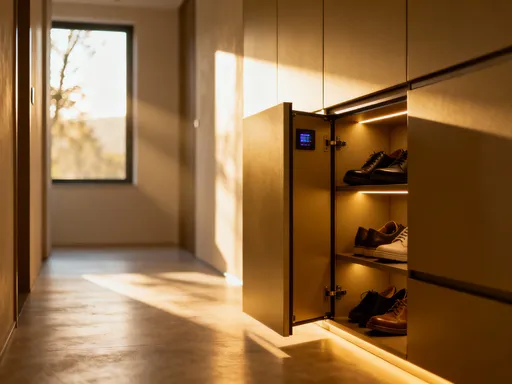
What surprised me wasn’t the tech—it was the care. The cabinet didn’t feel like a machine. It felt like a thoughtful helper. Within days, it started recognizing each pair: my work heels, my weekend boots, my go-to sneakers. It logged when I wore them, how long they’d been resting, even whether they’d been cleaned. I didn’t have to scan anything or press buttons. I just used my shoes the way I always had—and the cabinet paid attention.
One morning, a soft chime came from the hallway. I opened the cabinet, and a small light glowed beside my navy loafers. A message on the screen said: Ready when you are. Last worn three days ago, fully rested. That’s when it hit me—this wasn’t about control. It was about support. The cabinet wasn’t telling me what to wear. It was making sure my choices were informed, easy, and stress-free. I slipped on the loafers, and for the first time in years, I walked out the door feeling calm, collected, and completely put together—not because I’d done anything extraordinary, but because I didn’t have to.
That emotional relief was unexpected. I realized how much of my day had been spent managing tiny details—details that, while small, drained my energy. Now, I didn’t have to remember everything. Someone—or something—was helping me hold the pieces together. And that made all the difference.
Memory Isn’t Just for People—Why Objects Deserve It Too
We take photos to remember moments. We keep journals to capture feelings. But what about the things we use every day? The shoes that carried us through long walks with our kids, job interviews, rainy commutes, quiet morning coffees on the porch? Those shoes hold stories too. They’ve been with us through laughter, stress, growth. And yet, we treat them like disposable tools—wear them until they fall apart, then toss them aside without a second thought.
What if we treated our belongings with more care? What if we honored their role in our lives? That’s where the smart cabinet changed my perspective. It didn’t just track wear cycles—it gave my shoes a kind of dignity. It remembered when a pair needed rest. It knew when they’d been through rain or mud. It gently suggested when it was time to clean or rotate. Over time, I started seeing my shoes not just as objects, but as companions on my journey.
Take my gray walking sneakers. They’ve been with me through early morning jogs, school drop-offs, even a surprise 5K I signed up for on a whim. The cabinet noticed how often I reached for them on crisp Saturday mornings. After a few weeks, it sent a message: Your gray sneakers have supported 18 walks this month. They’ve earned a rest and a good clean. I laughed at first—then I realized how thoughtful that was. No one had ever ‘thanked’ my shoes for their service. But this little nudge made me feel seen. It reminded me that care goes both ways. When we care for our things, they care for us longer.
Maintenance stopped feeling like a chore. It became a ritual—a small act of gratitude. Wiping down soles, polishing leather, letting shoes breathe—it wasn’t just about cleanliness. It was about respect. And in a world that moves so fast, those quiet moments of intentionality became grounding. The cabinet didn’t just remember for me. It helped me remember what mattered.
Teaching the Cabinet: How I Trained It to Know My Life
I’ll admit, I was nervous at first. Technology can feel intimidating—especially when it promises to learn your habits. What if it got things wrong? What if it was complicated to set up? But the truth is, it was easier than organizing a recipe box. There was no coding, no confusing menus. Just a simple app, a few taps, and a bit of conversation with my cabinet—yes, literally.
The first step was labeling. I gave each shelf a category: work, weekend, rainy days, special occasions. I didn’t need to name every pair. The cabinet used sensors and pattern recognition to figure out the rest. When I wore my black heels to a meeting, it noted the time, the weather, even how long I was on my feet. After a few weeks, it started recognizing routines: You usually wear flats after long workdays, it once suggested. Shall I prep your navy ones tonight? I smiled. It wasn’t just tracking—it was understanding.
One of the most helpful features was the care settings. I told it which shoes needed extra attention—my leather boots, for example, shouldn’t go out in heavy rain. When a storm was forecast, the cabinet sent a reminder: Boots on deck? Consider switching to rain-ready pairs. It wasn’t bossing me around. It was looking out for me—like a friend checking in before a big day.
What I love most is how it adapts. It doesn’t expect perfection. If I wear the same sneakers three days in a row because life got busy, it doesn’t scold me. It just says: These have been working hard. Maybe a clean and rest tomorrow? That gentle tone makes all the difference. It’s not about rigid rules. It’s about support. And over time, I’ve found myself making better choices—not because I’m forced to, but because I feel supported in doing so.
The Little Alerts That Changed Everything
You might think constant notifications would be annoying. But these aren’t the kind that make you jump. They’re soft, thoughtful, almost like whispers from a wise friend. A gentle glow on the cabinet. A single line on the screen. No loud pings, no red badges. Just presence.
One of my favorites came on a Friday morning: Your navy loafers have been resting for 48 hours—ready for Friday? Simple. Kind. And honestly, kind of sweet. It made me feel cared for. Not because the shoes were ready—but because I was being looked after. Another time, after a busy week: Sneakers worn 3 times this week—time for a refresh? I hadn’t even noticed. But yes, they were due for a wipe-down and a rest. That small nudge saved me from sore feet and a guilty conscience.
These alerts do more than remind me—they reduce mental load. I don’t have to keep a running list in my head: Shoes to clean, shoes to rotate, shoes to air out. The cabinet holds that for me. And that space? That’s where calm lives. That’s where I can focus on my kids’ stories, my partner’s day, my own breath—instead of worrying about yesterday’s footwear choices.
There’s a quiet confidence that comes from knowing your basics are covered. When you don’t have to double-check, second-guess, or scramble, you walk differently. You speak differently. You are differently. And that shift—it starts with something as small as a reminder about your shoes.
Beyond Shoes: What Happens When Your Home Starts Remembering
Once I got used to the shoe cabinet, I started wondering: what else could use a little memory? Could my closet know when I’m running low on work blouses? Could my pantry remind me that someone in the family is allergic to nuts when I’m about to open a new snack? The idea isn’t about turning my home into a robot. It’s about creating a space that supports me—gently, thoughtfully, without taking over.
I’ve since added a smart wardrobe tracker. It doesn’t pick my outfits—it just lets me know when a favorite dress hasn’t been worn in months, or when my daughter’s school uniform needs mending. Again, no pressure. Just awareness. And it’s amazing how much peace comes from that. I’m not chasing perfection. I’m just staying connected to what matters.
My pantry now tracks expiration dates and suggests recipes based on what’s about to go bad. Last week, it reminded me I had carrots and lentils nearing their end. I made a soup my kids actually liked—and we avoided waste. That small win felt bigger than it should. Because it wasn’t just about food. It was about intention. About not letting things slip through the cracks.
What ties all of this together is emotional well-being. It’s not about having the fanciest gadgets. It’s about creating a home that helps you breathe easier. That holds the small details so you can focus on the big things—your family, your dreams, your presence. When your environment remembers, you’re free to be more fully you.
A Place for Everything, and Everything in Its Memory
At the end of the day, this isn’t about technology. It’s about humanity. It’s about giving ourselves permission to be supported, to let go of the weight we’ve been carrying—sometimes without even realizing it. The smart shoe cabinet didn’t change my life because it’s advanced. It changed my life because it’s attentive.
It reminded me that care isn’t just for people. It’s for the spaces we live in, the things we use, the routines that shape our days. When we treat our belongings with respect, we create a home that feels more intentional, more peaceful, more like us.
I still have busy mornings. I still forget things. But now, I don’t have to remember everything. My cabinet holds a piece of my memory—and in return, I’ve gained space. Space to breathe. Space to be present. Space to walk through my days with a little more confidence, a little more grace.
So yes, let your shoe cabinet remember. Let your home hold the small things. Because when the little details are taken care of, you’re free to focus on what really matters—being where you are, one step at a time.