What If Your Parents Could Live Independently—Without You Worrying Every Day?
Imagine getting a call from your mom saying she fell—but didn’t press her emergency button because it felt “too dramatic.” You’re not there, and panic sets in. You start imagining the worst: How long was she on the floor? Did she hit her head? Why didn’t she ask for help? This fear isn’t rare. It lives quietly in the hearts of millions of adult children who love their aging parents but can’t be there every moment. We want them to be safe, to feel strong, to live with dignity. But we also want to breathe easy when we’re not around. What if I told you that the answer isn’t moving them closer, hiring round-the-clock help, or sacrificing your own life? What if the peace of mind you’ve been searching for already exists—in the everyday technology you already use?
The Quiet Fear We Don’t Talk About
Let’s be honest—this worry doesn’t come with a label. It’s not something we post about on social media or bring up at book club. But it’s there. That tightness in your chest when your dad doesn’t answer his phone by 7 p.m. The way you pause mid-conversation when your sister says, “Mom forgot to turn off the stove… again.” These moments pile up, and over time, they shape how we see our parents’ independence—not as freedom, but as risk.
I remember calling my mom every single night at 8:15, not because we had that much to say, but because I needed to hear her voice. If she didn’t pick up, I’d drive the 20 minutes to her house, heart racing, imagining the worst. One night, she finally said, “Honey, you’re going to give yourself an ulcer before you give me one.” She was right. My love was turning into anxiety. And my anxiety was making her feel like she was failing me just by aging.
But here’s what we often forget: our parents feel it too. They don’t want to be a burden. They don’t want to lose their freedom. They want to wake up, make their coffee, read the paper, and decide what to do with their day—all without asking permission. The fear of falling, of forgetting, of needing help but not knowing how to ask—it’s real for them, too. And yet, most of us are stuck between two impossible choices: let them live alone and worry constantly, or move them in and disrupt their lives.
What if there was a third option? Not constant surveillance. Not giving up their home. But something in between—something gentle, respectful, and always there when needed. That’s where technology comes in. Not as a replacement for love or care, but as a quiet partner in keeping them safe and confident.
Redefining Independence in Later Life
We often think of independence as doing everything on your own. But for our parents, it’s not about never needing help—it’s about choosing when and how to ask for it. True independence is the ability to say, “I can do this today,” or “I’d like some support with that,” without shame or fear.
And here’s the good news: technology is finally catching up to that idea. Tools we once thought of as “for young people” or “too complicated” are being redesigned with seniors in mind. The goal isn’t to turn your mom into a tech expert—it’s to make her daily life easier, safer, and more joyful.
Take voice assistants, for example. You’ve probably used one to play music or set a timer. But for your dad, it could be the thing that reminds him to take his blood pressure medication at 10 a.m., reads the morning news aloud while he eats breakfast, or calls you with just two words: “Call daughter.” No buttons, no screens, no stress. It’s like having a helpful friend in the room—one who never gets tired of answering the same question twice.
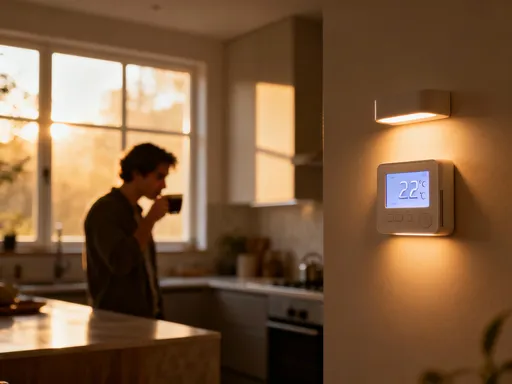
Or consider smart lighting. We install it to save energy or set the mood. But for your mom, it could mean automatically turning on the hallway light at night, reducing the chance of a fall. Imagine her getting up to use the bathroom at 2 a.m., and the path to the bathroom gently lights up—no fumbling for switches, no stubbed toes, no fear of the dark.
And wearables? They’re not just for tracking steps anymore. Some devices can monitor heart rate, sleep quality, and even detect unusual patterns—like if your mom hasn’t moved in several hours. That doesn’t mean she’s in danger, but it could be a gentle nudge for you to check in. Not because she failed, but because the technology cares enough to notice.
These tools aren’t about fixing “problems.” They’re about supporting dignity. They say, “You’re capable. You’re in control. And if you need a little help, it’s right here—quietly, kindly, without judgment.”
Tech That Feels Like Home, Not a Lab
Here’s the truth: most seniors don’t want to live in a sci-fi movie. They don’t want flashing lights, beeping alarms, or equipment that looks like it belongs in a hospital. They want to wake up in their own bed, drink tea from their favorite mug, and feel at home.
That’s why the best technology for aging in place doesn’t look like technology at all. It blends in. It feels familiar. It works with their life—not against it.
Think about the tablet your parents might already have. Maybe they use it to watch cooking videos or see photos of the grandkids. But with a few simple changes, it can become a lifeline. Set up one-touch video calls so they can see you with a single tap. Add large icons for weather, news, and emergency contacts. Turn on auto-brightness so the screen isn’t too harsh on their eyes.
Or take the smart speaker in the kitchen. It’s not just for playing the Beatles or setting timers. You can program it to say, “Good morning, Mary! Your daughter called earlier. Would you like to listen to her message?” Or, “It’s time to take your blue pill.” No confusion. No labels. Just a gentle, familiar voice guiding the day.
Medication management is another area where simple tech makes a huge difference. Instead of a complicated pill organizer, try a smart dispenser that opens at the right time and sends you a notification when it’s been taken. If the dose is missed, it can even send a quiet alert to your phone—so you can call and say, “Hey Mom, did you take your pills?” instead of showing up unannounced and making her feel watched.
The key is to start small. Pick one thing that would make the biggest difference—maybe it’s easier communication, better lighting, or medication reminders. Introduce it as a helper, not a fix. Let your parents try it, adjust it, and make it their own. When tech feels like part of the home, not an intrusion, it stops being scary and starts being supportive.
Small Tools, Big Confidence Boosts
You know what’s just as important as physical safety? Feeling good about yourself. Confidence. Purpose. The sense that you’re still growing, learning, and capable of new things.
When our parents retire or slow down, they often lose the daily structure that gave them identity. No more work meetings, school pickups, or social clubs. Days can start to feel… empty. And when you’re not doing much, it’s easy to start believing you can’t do much.
But here’s where technology can be a quiet motivator. Self-improvement apps—once marketed to busy professionals or fitness enthusiasts—are now helping seniors build mental and physical strength in gentle, enjoyable ways.
Imagine your mom doing a 10-minute seated yoga routine on her tablet, guided by a calm voice and simple animations. No pressure. No judgment. Just movement that helps her feel stronger and more flexible. Or your dad playing a brain training game during his afternoon coffee—something that challenges his memory, sharpens his focus, and makes him feel sharp again.
These aren’t just “distractions.” They’re small acts of self-care that build resilience. And when your parents feel capable in one area—like finishing a puzzle or mastering a new stretch—they start to believe they can handle other things too.
Language learning apps, for example, aren’t just for travelers. Your mom might start learning Spanish because she always wanted to visit Mexico. She listens to lessons while knitting, repeats phrases out loud, and feels proud when she orders “agua” correctly on her next video call with you. It’s not about fluency—it’s about curiosity, growth, and joy.
And don’t underestimate the power of creativity apps. Drawing, music composition, or even digital photo albums let your parents express themselves in new ways. One of my friends’ dads started making digital collages of old family photos. Now, he shares them every Sunday. “I feel like I’m giving the grandkids a piece of our history,” he says. That’s not just tech use—that’s legacy building.
These tools don’t promise to stop aging. But they do something better: they help our parents feel like themselves—active, curious, and full of life.
Bridging the Gap: Staying Connected Without Hovering
Let’s talk about the delicate dance of staying close without being overbearing. We want to know they’re okay. But we also don’t want them to feel like they’re being monitored like a child.
I’ll never forget when my aunt installed a camera in my grandma’s living room “for safety.” Grandma found out and said, “Am I a prisoner now?” The intention was love, but the message was control.
That’s why the best tools for connection are the ones that feel natural, not invasive. They don’t track every move. They don’t record conversations. Instead, they create moments of warmth and reassurance—on both sides.
Shared digital calendars are a simple but powerful example. You can mark family birthdays, doctor appointments, or your weekly call time. When your mom sees “Call Sarah” on her tablet every Tuesday at 7 p.m., it feels like a loving reminder, not a demand. And when she adds “Bingo Night” or “Lunch with Ruth,” you get a glimpse into her life—not because you’re watching, but because she’s sharing.
Photo-sharing apps work the same way. Instead of you asking, “Did you go to the park today?” your mom can send a photo of the ducks on the pond with a note: “Look who’s back this spring!” It’s her choice. Her voice. Her moment.
And smart doorbells? They’re not just for packages. When your dad sees you on the screen and chooses to answer—or not—it’s his decision. No surprise visits. No awkward knock when he’s napping. But when he does answer, you both smile, wave, and maybe even have a two-minute chat. “Just checking in,” you say. “I’m good,” he replies. And for that moment, you both feel connected.
The goal isn’t constant contact. It’s meaningful connection. It’s knowing they’re living their life—and you’re part of it, not in charge of it.
Making It Work: Simple Steps to Start Today
I know what you’re thinking: “This all sounds great, but where do I even start?” You don’t need to overhaul the house. You don’t need to become a tech expert. You just need to begin.
Start with a conversation. Not, “We need to install cameras because I’m worried,” but, “I found this cool thing—want to check it out?” Show them how a voice assistant can play their favorite hymns. Let them try a brain game. Let them see the photo you sent on the shared album.
Then, pick one tool that solves a real problem. Is it missed medication? Try a smart dispenser. Hard to hear the phone? A tablet with loud speakers and big buttons might help. Worried about falls? A wearable that detects balance changes could give you both peace of mind.
Set it up together. Let them press the buttons. Let them name the devices. (“I’m calling this one Betty.”) Make it theirs. And when something doesn’t work, laugh about it. Tech fails all the time—even for us. The point isn’t perfection. It’s progress.
Be patient. Some days they’ll love it. Other days, they’ll say, “I don’t need this.” That’s okay. Keep the door open. Let them come back to it when they’re ready.
And remember: this isn’t about control. It’s about care. It’s about saying, “I love you. I want you to be safe. And I want you to feel strong and capable every single day.”
A Future Where Aging Means Growing, Not Declining
We’ve been taught to see aging as a slow loss—of strength, of memory, of independence. But what if it doesn’t have to be that way?
With the right tools, aging can be a time of growth, connection, and even discovery. Your mom can learn to paint digitally. Your dad can start a podcast about his life stories. Your parents can host family video nights, share recipes, and feel deeply involved in your world—even if they’re miles away.
Technology isn’t here to replace us. It’s here to free us. To give us back the time, energy, and peace of mind to focus on what really matters—love, laughter, and being present.
Imagine a future where you don’t dread the phone ringing. Where you can trust that they’re safe, not because you’re watching, but because they have support built into their day. Where your conversations are about life—not just logistics.
This isn’t a fantasy. It’s happening now. In quiet homes across the country, families are using simple, everyday tools to create a new kind of care—one that’s kinder, smarter, and full of dignity.
So take a breath. You don’t have to do it all. You don’t have to be everywhere. You just have to care—and let the right tools help you show it. Because the best gift we can give our parents isn’t constant supervision. It’s the freedom to live well, safely, and on their own terms. And the best gift we can give ourselves? Peace of mind, one gentle tech solution at a time.