More than a Camera: How Pet Monitoring Helped Me Breathe Easier Every Day
Living away from home, I used to call my mom daily just to check if my dog was eating or acting strange. One afternoon, she forgot to answer, and anxiety spiked—was my dog okay? That’s when I discovered pet safety monitoring. It didn’t just show me my dog napping peacefully; it gave me real peace of mind. No more guessing, no more stress. This small change made caring for my pet feel effortless, even from miles away. And honestly, it changed how I show up in my own life—calmer, more connected, and finally free from that nagging worry in the back of my mind.
The Moment I Realized I Needed More Than Trust
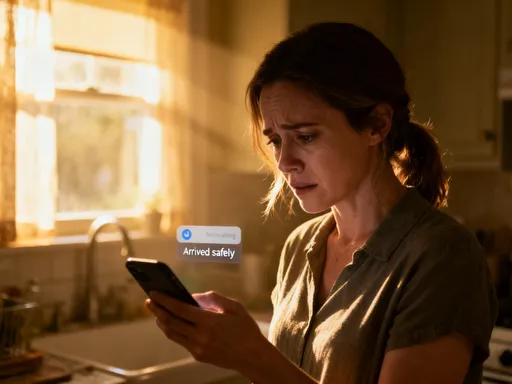
I’ve always believed my dog was in good hands when I wasn’t around. My mom adores him—she treats him like her third child, honestly. She feeds him on time, takes him for walks, and sends me photos of his silly face every few days. I thought that was enough. But one rainy Tuesday, I called to check in, and she didn’t pick up. I tried again. Nothing. My chest tightened. Was something wrong with her? Or worse—was my dog hurt, lying somewhere, and no one had noticed? I couldn’t focus on work. I couldn’t breathe. I started imagining the worst: What if he choked? What if he got into something he shouldn’t? What if he was just… lonely?
That moment of helplessness stayed with me. I realized I wasn’t just relying on my mom’s care—I was relying on her remembering to update me. And that’s when it hit me: I didn’t need more trust. I needed more access. I needed to *see* for myself. Not because I doubted anyone, but because my peace of mind shouldn’t depend on someone else’s schedule or memory. I started searching online that night—‘can I watch my dog while I’m at work?’ ‘How to check on pet remotely?’ I didn’t know the term ‘pet monitoring’ back then, but I was clearly looking for it. What I found wasn’t just a gadget. It was a lifeline.
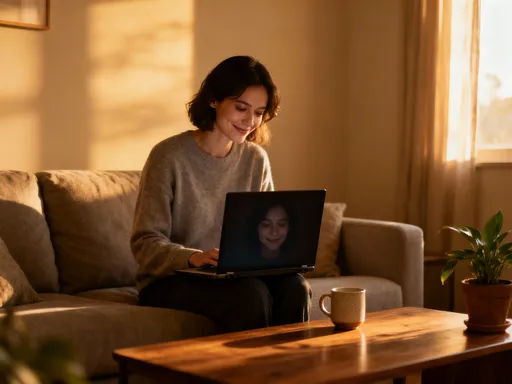
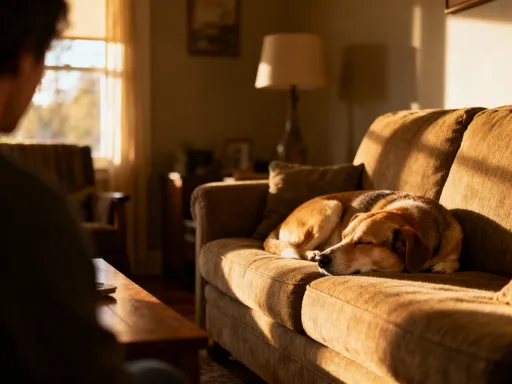
The first time I saw my dog lying on the couch, one paw flopped over his eyes like he was napping dramatically, I exhaled like I hadn’t in days. He was fine. More than fine—he was *home*. And I was seeing it in real time. That wasn’t surveillance. That was reassurance. That was love, made visible. I didn’t need constant proof, but just knowing I could check anytime—that shifted everything. It wasn’t about control. It was about connection. And for the first time since moving away, I felt like I was still part of his daily life, not just a voice on the phone once a week.
Finding the Right Tool Without Feeling Like a Spy
At first, I thought all pet cameras were the same. I bought a cheap one online—big mistake. The video was blurry, the app kept crashing, and it sent me an alert every time a shadow moved. I got 47 notifications in one afternoon. Half were the curtain blowing in the breeze. I felt like I was running a security command center, not checking on my dog. I almost gave up, convinced this whole idea was too technical, too intrusive, too much. I didn’t want to feel like Big Brother. I just wanted to feel close.
Then a friend recommended a different kind of device—one designed not for tech lovers, but for *pet lovers*. It had a clean interface, smooth video, and smart alerts that only notified me when there was actual movement in key areas. No more false alarms from sunlight shifts. It had two-way audio, so I could talk to my dog in real time. And the best part? It looked like a small home accessory, not a robot watching the room. I placed it on the bookshelf in the living room, angled toward his favorite spot. Setup took less than ten minutes. No cables everywhere, no complicated settings. Just plug in, connect to Wi-Fi, and open the app. I was seeing my dog within an hour.
What made the difference wasn’t the specs—it was how it *felt*. The screen wasn’t cold or technical. It was warm, intuitive, like checking a photo album but live. I could zoom in gently, hear his breathing, even play a lullaby through the speaker when he seemed restless. And when I used it, I didn’t feel like I was spying. I felt like I was *visiting*. That’s the key—technology should disappear into the background. It shouldn’t draw attention to itself. It should just make love easier to express. This wasn’t about high-tech features. It was about emotional comfort. And finally, I found a tool that understood that.
Building the Habit: From Obsessive Checking to Calm Glances
I’ll admit it—I became a little obsessed at first. After setting up the camera, I was checking the app every 20 minutes. Was he eating? Was he scratching too much? Did he look sad? I was treating it like a dashboard, not a window into his world. And honestly, it made me more anxious, not less. I was so focused on catching problems that I started seeing them everywhere. A yawn became ‘is he in pain?’ A stretch turned into ‘is he unwell?’ My worry wasn’t being calmed by the camera—it was being fed by it.
It took a few weeks to reframe how I used it. I realized I needed rules. No checking during meetings. No refreshing every five minutes. Instead, I built it into my routine. I’d open the app while my coffee brewed in the morning—just a quick glance to see if he was up and wagging. Then again at lunch, when I sat down to eat. One look, one smile, and I’d close it. I even set a reminder: ‘Check in, don’t obsess.’ That small shift changed everything. It turned panic into presence. I wasn’t watching for danger. I was sharing a moment.
Over time, the need to check faded. Not because I cared less—but because I trusted more. I knew if something was wrong, the motion alert would tell me. I knew my mom was still there, still loving him. The camera wasn’t replacing her. It was just giving me a seat at the table. And the more I used it calmly, the more it became a ritual of connection, not a tool of fear. Now, I often don’t even open the app. But knowing it’s there? That’s enough. It’s like having a quiet promise: *You’re never fully away from the ones you love.*
Unexpected Benefits: More Than Just Watching My Dog
I thought the camera was just for emergencies. I imagined using it only if something went wrong—like if he got sick or hurt. But what I didn’t expect was how much joy it would bring. One afternoon, I saw him curled up in a sunbeam, one ear twitching at a bird outside. I smiled so hard I scared my coworker. Another time, I caught him trying to steal a sandwich from the coffee table—classic. I played the audio later for my mom, and we both laughed until we cried. These weren’t crises. They were *moments*. And being able to see them, even from miles away, made me feel part of his life in a way I hadn’t in years.
But it went deeper than that. I started noticing patterns. He always drank water right after his midday nap. He got restless around 4 p.m., pacing a little before settling. I realized he might need a short walk then, so I asked my mom to take him out a bit later. Small change, big impact. His behavior improved. He slept better. And I felt like I was actually contributing, not just worrying from afar.
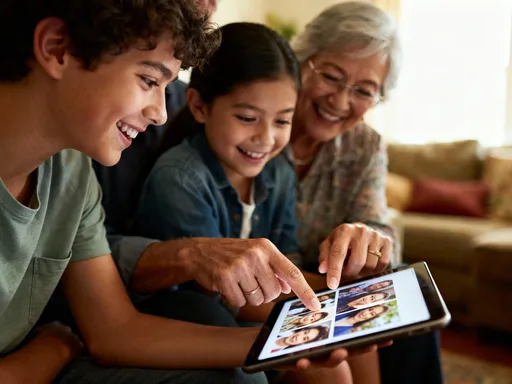
My family started using it too. My mom would wave at the camera and say, ‘Look, your daughter’s watching!’ He’d tilt his head, confused but happy. My nephew, who lives across the country, would call me and say, ‘Can we check on Max together?’ We’d open the app side by side and watch him snooze. Sometimes, I’d use the two-way talk to say, ‘Max, your cousin says hi!’ and he’d bark like he understood. It became a shared experience. A little bridge between us. And that’s when I realized—this wasn’t just about safety. It was about *belonging*. It kept our family connected, not just to the dog, but to each other.
Solving Real Problems I Didn’t Know Existed
Of course, the camera has helped in serious moments too. One evening, I glanced at the feed and saw Max pacing in circles, not settling. He hadn’t touched his dinner. That wasn’t like him. I called my mom, who said he seemed fine earlier. But I insisted she check his temperature. She did—he had a mild fever. We got him to the vet the next morning. Early intervention meant no hospitalization, just a few days of meds. The vet said, ‘You caught it early. Good job.’ I didn’t do anything heroic. I just *looked*. But that look made all the difference.
Another time, the app sent a motion alert at 3 a.m. I opened it, half asleep, and saw the back window wide open—storm winds must have blown it open. Max was barking at the curtain flapping in the wind. If that window stayed open, he could’ve escaped or caught a chill. I called my mom, who closed it right away. No harm done. But without that alert? It could’ve been a disaster.
These weren’t dramatic rescues. No fireworks, no headlines. But they were real. They were quiet victories—moments when a simple tool helped prevent something small from becoming something big. And that’s the power of consistency. When you check in regularly, you learn your pet’s normal. And when you know what’s normal, you can spot what’s *not*. It’s not about being a perfect owner. It’s about being an aware one. And awareness? That’s the best gift we can give our pets.
Making It Work for Any Household
I know not every home is tech-savvy. My mom barely uses email. So when I introduced the camera, I kept it simple. I showed her one button: ‘Press this to see your daughter.’ That’s how I framed it—not as a pet monitor, but as a way to talk to me. And when I used the two-way audio to say hi, she’d smile and wave. Over time, she started using it to soothe Max when he barked—her voice calmed him instantly. The device became part of their rhythm, not a disruption.
Placement mattered. We put it in the living room, where the light was good and the sound clear. We made sure it faced his bed and the water bowl. Wi-Fi strength was important, but even with a modest connection, the video streamed smoothly most of the time. If it lagged, I didn’t panic—I just waited. Perfection wasn’t the goal. Consistency was.
I also encouraged my family to use it as a joy tool, not just a safety tool. We’d check in during holidays, birthdays, even quiet Sundays. My nephew recorded a birthday message through the app, and we played it for Max with a treat. He wagged his tail like he knew it was special. These moments made the tech feel human. They reminded us it wasn’t about screens or apps—it was about love, made visible. And when technology serves that purpose, it stops feeling cold. It starts feeling like home.
Peace of Mind That Sticks—Because It Feels Human
Months have passed since I first set up that camera. It’s no longer a novelty. It’s a quiet part of my life, like my morning coffee or my nightly walk. I don’t think about it much anymore—because I don’t have to. The anxiety that used to live in my chest? It’s gone. Not because I’ve stopped caring. Because I’ve stopped *worrying*. There’s a difference. Care is love in action. Worry is love stuck in fear. And this little device helped me turn my fear back into love.
I don’t check the app every day. Sometimes, I go a whole week without opening it. But knowing I *can*—that I’m never truly disconnected—has changed me. I’m calmer. I’m more present. I don’t carry that low hum of ‘what if’ in the back of my mind. And that calm doesn’t just help me—it helps everyone around me. I’m a better daughter, a better pet owner, a better version of myself.
People ask me if I think pet monitoring is worth it. And I always say yes—but not for the reasons they expect. It’s not about catching problems. It’s about gaining peace. It’s not about watching. It’s about *feeling close*. It doesn’t replace the hand on the head, the walk in the park, the shared silence on the couch. But it does something quiet and powerful: it extends those moments. It lets love stretch across distance and time.
At the end of the day, we don’t need more gadgets. We need more connection. And if a small camera on a shelf can help a daughter feel close to her dog, help a family laugh together, help a pet get care before a fever spikes—then it’s not just technology. It’s care, amplified. It’s peace, made possible. And honestly? That’s worth every penny.