What if your daily routine could save energy—and set you free?
Ever feel like your day is running you instead of the other way around? You're not alone. Between work, chores, and trying to squeeze in a hobby, it’s easy to burn out. But what if the key to more time, less stress, and lower bills wasn’t doing more—but designing your day smarter? With quiet tweaks in how you use technology, your home can start working with your rhythm, not against it—freeing up space for the things you love. Imagine waking up to gentle light, walking into a warm house in winter, or knowing your appliances shut off on their own. These aren’t luxuries from the future. They’re simple, real changes you can make today—ones that save energy and, more importantly, give you back something even more precious: time.
The Hidden Cost of a Chaotic Day
Let’s be honest—how many mornings start with a scramble? The alarm goes off, you hit snooze twice, then suddenly you’re rushing to get the kids dressed, pack lunches, and find your keys. In the chaos, you leave the lights on in every room, the coffee maker running, and the thermostat cranked up because it was so cold when you got up. You get in the car and think, Did I lock the door? Did I turn off the iron? That mental checklist follows you all day, eating away at your focus.
And it’s not just mornings. By evening, you come home to a house that feels stale—too hot in summer, too cold in winter—because no one remembered to adjust the temperature. You walk in, flip on three lights, and maybe mutter, Why does it always feel like I’m playing catch-up? The truth is, these small oversights add up. Not just in higher energy bills, but in the quiet drain on your energy, your peace, and your sense of control.
What if your home could handle some of that for you? Not perfectly, not robotically—but gently, like a partner who knows your habits. Think about how much mental space you’d gain if you didn’t have to remember everything. The good news? You don’t need a complete home overhaul. You just need a few smart tools that work with your life, not against it. It’s not about doing more. It’s about letting your environment support you—so you can breathe a little easier.
Meet Your Home’s Quiet Helper: Smart Energy Settings
You’ve probably heard the term “smart home,” and maybe it makes you think of complicated setups or tech that feels cold and impersonal. But what if I told you the most powerful smart home tools aren’t flashy gadgets—they’re the quiet ones? The ones that work in the background, like a co-pilot for your day, making small adjustments so you don’t have to.
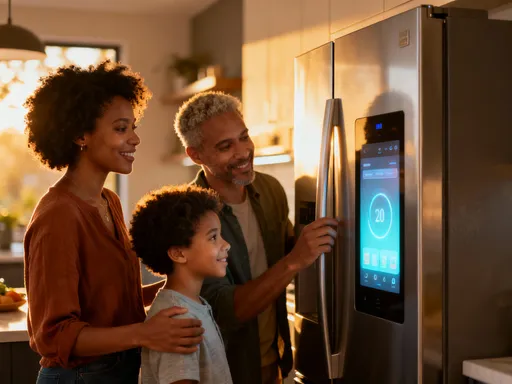
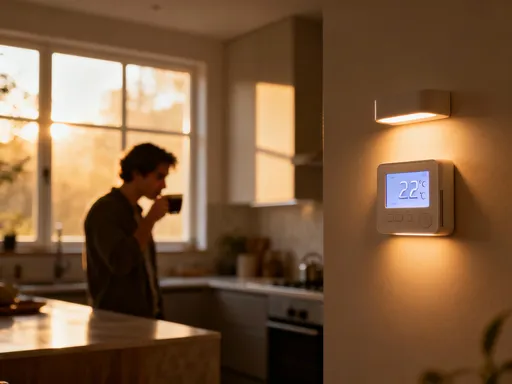
Take the smart thermostat. It’s not just a digital upgrade to your old dial. It learns when you’re home, when you’re out, when you like it warmer or cooler. After a few days, it starts adjusting the temperature automatically. You wake up to a cozy bedroom in winter, not a freezing one. You come home to a comfortable living room, not one that takes an hour to warm up. And when you’re out, it doesn’t keep heating or cooling an empty house—saving energy without you lifting a finger.
Then there are smart lights. Not the kind that change colors for parties (though that can be fun), but the ones that turn off when you leave the room. Motion-sensing lights in hallways, bathrooms, or the garage mean you never walk into a dark space—but also never leave lights burning for hours by accident. Some even adjust their brightness based on the time of day, mimicking natural light to help your body feel more alert in the morning and relaxed at night.
And let’s talk about smart plugs. These little devices fit into any outlet and let you control a lamp, coffee maker, or fan from your phone. You can set them to turn off at a certain time, or check remotely if you forgot to unplug something. One mom I know uses hers for her slow cooker—she starts dinner from work so it’s ready when she walks in the door. No stress, no last-minute cooking. Just warmth, smell, and ease.
The best part? These aren’t hard to set up. Most connect to your Wi-Fi and have simple apps. You don’t need to be a tech expert. You just need to want a little more peace. And once they’re in place, they fade into the background—doing their job so you can focus on yours.
Syncing Tech with Your Natural Rhythm
We all have a rhythm to our day, even if we don’t talk about it. There’s the morning rush, the midday focus (or slump), the evening wind-down. Your body knows when it wants light, warmth, quiet. But most homes treat every hour the same—same temperature, same lighting, same energy use. What if your home could move with you, instead of staying stuck on one setting?
Imagine this: your bedroom lights come on softly at 6:45 a.m., not with a jolt, but like sunrise. The thermostat has already started warming the house so it’s comfortable when you step out of the shower. Your coffee begins brewing five minutes before you usually walk into the kitchen. No alarms, no stress—just a morning that feels like it’s on your side.
Now fast forward to evening. As the sun sets, your living room lights shift to a warmer tone—less blue, more amber. It’s not just cozy; it actually helps your body prepare for sleep. The TV shuts off automatically at 9 p.m., and the hallway lights turn on if you get up for water. The house doesn’t fight your rhythm. It supports it.
This isn’t about rigid schedules. Life isn’t perfect. Some days you wake up early, some days you sleep in. The beauty of today’s smart systems is that they adapt. They learn. If you skip your usual morning routine, they notice. If you come home late, they adjust. It’s like having a home that pays attention—not in a creepy way, but in a caring way.
And the energy savings? They’re real. By only using heat, light, and power when and where you need them, you’re not just cutting waste—you’re living more in tune with your own energy. You feel better. Your home feels better. And your bills? They start to reflect that balance.
Freeing Up Time for What You Love
Let’s talk about time—the one thing none of us has enough of. You love to paint, but when do you ever get the chance? You’ve been meaning to learn the piano, but it’s been years since you opened the case. Or maybe you just want to sit with a book and a cup of tea, without feeling guilty that you “should” be doing something else.
Here’s the secret: time isn’t just about hours in the day. It’s about the mental load. Every decision, every chore, every “did I turn that off?” thought steals a little piece of your focus. When your home handles the small stuff, those pieces add up. And suddenly, you have space—not just on the calendar, but in your mind.
One woman I spoke with used to spend her evenings checking lights, adjusting the thermostat, making sure everything was off. It took 15, sometimes 20 minutes. Now, her home does it for her. That’s 10 hours a month—over 120 hours a year—she’s gotten back. She uses that time to knit. Not because she has to, but because it brings her joy.
Another mom started using a smart speaker to manage her routine. With a simple voice command, she turns on lights, starts music, and checks the weather—while getting the kids ready. She says it’s like having an extra set of hands. And those few minutes saved every morning? She uses them to journal. “It’s the only time I feel truly present,” she told me.
This is the real gift of smart energy tools: they don’t just save electricity. They save your attention. And when you have more attention, you can pour it into the things that matter—your hobbies, your family, yourself. You’re not just surviving the day. You’re living it.
A Calmer Home, A Clearer Mind
Have you ever noticed how a messy room can make your mind feel messy too? It’s not just about clutter on the counter. It’s the mental clutter—the things you’re holding in your head because you’re afraid you’ll forget. Did I lock the back door? Is the oven off? Will the house be freezing when I get home?
A home that runs smoothly doesn’t just save energy. It reduces anxiety. When you know the lights turn off on their own, when you can check your thermostat from your phone, when your routine flows without friction, something shifts. You breathe deeper. You feel more in control.
And that calm isn’t just emotional. It’s physical. Studies show that consistent temperatures, natural light patterns, and reduced noise all support better sleep, focus, and mood. Your environment shapes your inner world more than you think. When your home supports your rhythm, your mind follows.
One user shared how her smart blinds changed her afternoons. They close automatically at 3 p.m. to block the hot sun, keeping the house cool. But she also noticed something else—her kids settled down faster after school. The room felt quieter, more contained. “It’s like the house says, It’s time to slow down now,” she said.
And that’s the magic. Technology, at its best, doesn’t distract or overwhelm. It creates conditions for peace. It clears the noise—so you can hear your own thoughts, enjoy a quiet moment, or simply sit still without feeling like you’re falling behind.
Starting Small: Real Steps Anyone Can Take
If all of this sounds great but a little overwhelming, here’s the good news: you don’t have to do it all at once. In fact, it’s better if you don’t. Start with one thing. Just one.
Try this: pick one routine in your day that feels like a hassle. Maybe it’s remembering to turn on the porch light at night. Or making sure the coffee’s ready in the morning. Or turning off the TV and lamps before bed. Choose one, and think about how a small tech tool could help.
For example, plug your coffee maker into a smart plug. Set it to turn on at 6:30 a.m. so your kitchen smells like fresh coffee when you walk in. It takes ten minutes to set up. No wiring, no drilling. Just plug, connect, schedule.
Or use your phone to set a “goodnight” routine. With one tap, it turns off all the lights downstairs, locks the smart door (if you have one), and sets the thermostat to sleep mode. No walking from room to room. No second-guessing.
You don’t need to buy everything at once. Start with what feels doable. Try it for a week. Notice how it feels to cross one small thing off your mental list. Then, maybe add another. This isn’t about perfection. It’s about progress—tiny shifts that add up to a calmer, easier life.
Building a Life That Moves With You
At the end of the day, technology isn’t about gadgets. It’s about how we live. And the best tools aren’t the ones that impress us—they’re the ones that disappear into our days, making life a little lighter, a little kinder, a little more possible.
Imagine a life where your home knows you. Where it warms the floor before you step out of the shower. Where the lights dim as you wind down. Where you don’t have to choose between comfort and cost, between peace and productivity. Where you can finally say, I have time to paint. I have time to read. I have time to just be.
That’s not a fantasy. It’s within reach. And it starts with small, smart choices—ones that save energy, yes, but more importantly, save your spirit. Because when your environment supports you, you’re free to grow, to create, to rest, to live fully.
You don’t have to do more to have more. You just have to design your day—and your home—with intention. Let technology handle the small stuff. Then step into the life you’ve been waiting for. One quiet, gentle change at a time.