From Chaos to Calm: How Travel Safety Tech Transformed Our Family Dinners
Gone are the days when planning a family trip meant endless arguments at the dinner table—conflicting schedules, forgotten passports, or someone always feeling left out. Now, with simple tech tools that keep everyone connected and safe, our dinners have turned into joyful planning sessions instead of stressful debates. It’s not magic—it’s thoughtful technology working quietly in the background, giving us back time, peace, and connection when it matters most. I still remember the last time we tried to plan a vacation the old-fashioned way: my oldest forgot she had a work commitment, my husband misplaced his passport, and my youngest burst into tears because she thought no one was listening to where she wanted to go. That night, we didn’t talk about beaches or ice cream stops—we just argued. But today? We laugh. We dream. And it all started with a few small digital changes that made a very big difference.
The Dinner Table That Used to Be a Battlefield
Our kitchen used to feel like a war zone every time we brought up travel plans. You know the scene—pasta on the table, candles flickering, but instead of sharing stories from the day, we were listing what could go wrong. Someone would forget to check flight times. Another would assume the other had booked the rental car. I once printed out six different itineraries, only to realize two were for entirely different weeks. The real problem wasn’t the missed details—it was how disconnected we all felt. We were trying to plan something joyful, but it kept turning into a test of patience and control. I’d end up stressed, my husband would shut down, and the kids would tune out completely. It wasn’t just about travel logistics; it was about how we were showing up for each other. When the smallest mistake could derail weeks of planning, no one wanted to take responsibility. And that silence? It wasn’t peace. It was tension.
One year, we nearly canceled our beach trip because my son’s passport had expired. He was only 16 at the time, and none of us realized it until the night before our flight. I spent that entire evening on hold with government offices, my voice shaking as I begged for an emergency appointment. We ended up paying hundreds for expedited processing, and even then, we arrived at the airport with minutes to spare. That trip, which was supposed to be relaxing, started with panic and ended with exhaustion. I remember sitting in the rental car, watching the sunset, and thinking, We’re together, but we’re not really present. Something had to change—not just how we traveled, but how we prepared. We needed a way to stay on the same page without constant nagging or last-minute crises. What we didn’t realize then was that the solution wasn’t more effort—it was smarter support.
Enter the Quiet Helper: Safety Reminders That Show Up Without Being Asked
The first real shift happened when I started using a travel app that sent automatic safety reminders. No more sticky notes on the fridge. No more guilt-tripping my husband to check his visa status. Instead, a simple alert popped up on his phone: Your passport expires in 60 days. Renew now to avoid delays. That’s it. No drama. No blame. Just a gentle nudge at the right time. At first, I thought it was just a convenience. But then I noticed something deeper: the mood in our house changed. There was less tension around planning because no one felt like the “responsible one” carrying the entire load. The reminders didn’t replace us—they supported us. They took care of the small things so we could focus on the big ones, like whether we wanted to rent bikes or hike trails.
These alerts weren’t flashy. They didn’t require meetings or check-ins. They just worked. Weather warnings came through when storms were expected at our destination. Flight delay notifications arrived before the airline even announced them at the gate. Even customs requirements for different countries were updated automatically. I remember one evening, my daughter got an alert about a health advisory in the country we were visiting. She showed it to me at dinner, proud that she’d caught it before I had. That moment stuck with me—not because of the advisory, but because she felt empowered. The technology wasn’t making decisions for us; it was giving us the information we needed to make better ones together. And that made all the difference.
How One App Brought Everyone Back to the Table—Literally
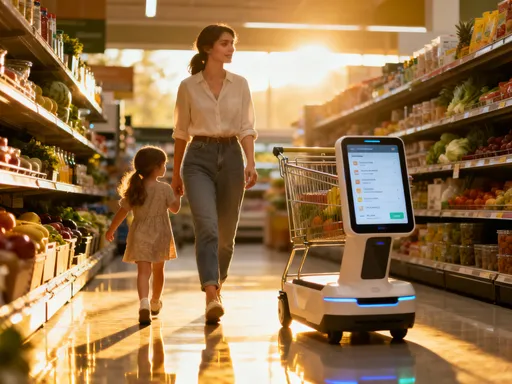
The real turning point came when we started using a shared family travel app with built-in safety features. At first, the kids rolled their eyes. “Mom, we don’t need another app,” my son said. But within a week, it became part of our routine. We could all see the itinerary, check in when we arrived somewhere new, and share updates in real time. No more “Did you land?” texts at 2 a.m. No more anxious calls from the airport. When my daughter traveled to visit her cousin for the first time alone, she sent a quick “Safe arrival!” from the app. I saw it while chopping vegetables for dinner, and I actually cried—quietly, so the others wouldn’t notice. It wasn’t just that she was safe. It was that she felt trusted enough to check in without being asked.
What surprised me most was how much more included everyone felt. My youngest, who used to stay quiet during planning, now jumps in with ideas. “Can we add a stop at the aquarium?” she asked last week, pointing to a suggestion the app made based on our route. The app doesn’t just track flights—it suggests family-friendly spots, reminds us to pack essentials, and even lets us vote on dinner plans while we’re en route. But beyond the features, it created something we’d been missing: a sense of shared ownership. No one is left out. No one is the “boss” of the trip. We’re all part of the journey, from start to finish. And that shift didn’t just improve our travels—it brought us closer at home.
From “Did You Pack It?” to “Let’s Talk About Where We’ll Eat”
I’ll never forget the first dinner after we fully adopted the app. Instead of going over packing lists or confirming pickup times, my husband looked around the table and said, “Okay, serious question—where are we getting pizza on the first night?” The kids burst out laughing. We spent the next 20 minutes debating thin crust vs. deep dish, whether we should try the local spot recommended by the app, or just go for ice cream instead. It felt light. It felt joyful. And it felt normal in the best way possible. That’s when I realized: the real gift of this technology wasn’t efficiency. It was freedom. Freedom from worry. Freedom from repetition. Freedom to actually enjoy the anticipation of a trip, instead of dreading the details.
Before, our dinner conversations were dominated by fear of missing something—Did you pack the adapter? Did you confirm the hotel? Is the car seat installed correctly? Now, we talk about experiences. What kind of birds do you think we’ll see? Should we book that boat tour? Can we stay up late to watch the stars? The mental load that used to weigh on me—mostly on me, I’ll admit—has been evenly distributed, not by assigning more tasks, but by removing the anxiety behind them. I’m not lying awake at night wondering if someone’s passport is valid. I’m not sending ten reminders a day. The system does it quietly, consistently, and without judgment. And because of that, I can be fully present—both in planning and in living.
Teaching Responsibility Without Saying a Word
One of the most unexpected benefits has been how it’s helped our kids grow. I used to be the constant reminder: Charge your phone. Don’t forget your medicine. Check your boarding pass. Now, the app sends those nudges directly to them. And something shifted. Instead of resisting, they started responding. My son now double-checks his flight status before we even leave the house. My daughter makes sure her emergency contact info is up to date. They’re not doing it because I told them to—they’re doing it because it’s part of the routine, and because they know we all rely on it.
It’s taught them responsibility in a way I never could through lectures or consequences. There’s no power struggle. No “I told you so.” Just quiet accountability. And that’s built trust. When my daughter traveled alone, I didn’t need to call her every hour. I could see her check-ins, her location (only when she chose to share it), and her messages. She knew I trusted the system—and by extension, her. That trust made her more responsible, not less. She didn’t feel controlled; she felt supported. And that’s the kind of confidence that doesn’t just help on trips—it helps in life. She’s more organized at school. She plans ahead for projects. She even reminds me to check my passport now. Can you believe that? The roles have reversed, and I couldn’t be prouder.
When Something Unexpected Happened—and We Were Ready
Last winter, we faced a real test. We were on a road trip when a winter storm warning popped up on the app. Within minutes, we got an alert: Heavy snow expected in 3 hours. Consider delaying travel or finding shelter. We were already on the highway, but because we saw it early, we had time to adjust. We found a cozy lodge, changed our reservations, and waited out the storm with hot cocoa and board games. That night, at dinner, we weren’t stressed or scared. We were grateful. Grateful that we weren’t caught in the snow. Grateful that we had a warm place to stay. And grateful that we knew what was coming—before it became an emergency.
Compare that to the old days, when we’d rely on news radio or word of mouth. We might not have known until it was too late. But this time, we were prepared. The kids weren’t anxious because they saw us staying calm. We had a plan. We had updates. We had each other. That evening, my husband turned to me and said, “Remember when we used to argue about every detour? Now we just go with it.” He was right. The tech didn’t just keep us safe—it changed how we responded to challenges. We weren’t reactive. We were resilient. And that peace of mind didn’t fade when the trip ended. It stayed with us, like a quiet hum in the background of our daily lives.
More Than Trips: How This Changed Us Beyond Travel
The truth is, this wasn’t just about travel. It was about how we show up for each other. The same tools that help us plan vacations have improved how we communicate at home. We’re more patient. We’re more present. We listen more. The constant background noise of worry—Did I forget something? Is someone upset? Are we on the same page?—has quieted down. And in its place, we’ve found more room for laughter, for dreaming, for simply being together.
I see it in small ways now. My daughter initiates family check-ins just because. My son plans surprise outings using the app’s suggestions. Even our dinner conversations are richer. We talk about what we’re excited for, not just what we need to fix. The technology didn’t replace our relationships—it strengthened them. It gave us back time, reduced stress, and created space for what really matters: connection. We’re not perfect. We still have messy days. But now, when life feels overwhelming, I remember that one small tool can make a big difference. It’s not about having the fanciest app or the latest gadget. It’s about choosing solutions that support your family’s well-being, that bring you closer instead of pulling you apart.
So if you’re still planning trips the old way—with sticky notes, stress, and last-minute panics—I want you to know: there’s another way. You don’t have to carry it all. You don’t have to be the only one remembering. You don’t have to turn family time into a to-do list. With a little help from thoughtful technology, your dinner table can become a place of joy again. Not because everything is perfect—but because you’re no longer afraid of the small things. You’re free to focus on what really matters: being together, making memories, and savoring the moments that make a family. And honestly? That’s the best upgrade of all.