From Constant Ping to Calm Connection: How We Learned to Love Video Calls Again
In the early days of lockdowns, our screens buzzed nonstop—grandparents waving from distant homes, cousins singing happy birthday, kids showing off drawings. Video calls kept us close, but soon, they began to feel like demands. The guilt of missed calls, the exhaustion of being "on" constantly—it all blurred into digital fatigue. We craved connection without the clutter. Then something shifted. By rethinking when, how, and why we called, we found a better rhythm. This is how we reclaimed our space—and made video calls meaningful again.
The Overconnected Home: When "Staying Close" Starts to Feel Heavy
Remember those first months when every day felt like a family reunion on Zoom? We were so grateful to see each other’s faces, to hear laughter echo through the speakers, to watch Grandma blow a kiss through the screen. We scheduled daily check-ins, Sunday group calls with aunts and uncles, and surprise pop-in waves just to say hello. At first, it felt like a miracle—technology bridging the gap when we couldn’t hug in person. But over time, that same miracle began to feel like a chore. The pings, the notifications, the calendar reminders—"Family Call in 10 Minutes!"—started to feel less like love and more like duty.
I remember one afternoon, I was folding laundry, finally catching my breath after a long day, when my sister’s face popped up on the screen. "We’re all here!" she said cheerfully. "Just wanted to see your face!" My heart sank. I smiled, waved, tried to sound upbeat, but inside, I felt a wave of guilt and frustration. I wasn’t ready. I hadn’t brushed my hair, I was still in my workout clothes, and I just wanted five minutes to myself. That moment wasn’t unique. So many of us started hiding—answering with a quick text instead of a call, pretending the Wi-Fi was down, or stepping into the bathroom just to avoid being "seen."
The truth is, we confused frequency with closeness. We thought that if we weren’t on camera every other day, we were failing our families. But the pressure to perform—to look happy, to be present, to have something exciting to share—became its own kind of burden. Kids groaned at yet another "fun" family sing-along. Teens rolled their eyes at scheduled "fun time." Parents felt torn between being available and needing space. We wanted to stay connected, but we were losing ourselves in the process. The very tool meant to bring us together was quietly wearing us down.
One mom told me, "I started dreading the weekend calls. I’d spend Saturday afternoon preparing—cleaning the house, picking out an outfit, making sure the kids were on their best behavior—just so I wouldn’t be judged for looking ‘too tired.’ It stopped feeling like a visit and started feeling like an audition." That’s when we realized: connection shouldn’t require a performance. We needed a new way—one that honored both our love for family and our need for peace.
Why Video Calls Became So Hard to Say No To
Have you ever canceled a video call and immediately felt a pang of guilt? Like you’d let someone down just by needing a quiet evening? That’s because video calls aren’t just about technology—they’re wrapped in emotion, history, and unspoken family rules. For many of us, especially across generations, a missed call isn’t just a missed call. It feels like a rejection. It feels like, "You don’t care enough to show your face." And that weight is real.
Older relatives, in particular, often see video calls as the only way to truly "see" their loved ones. One grandmother told me, "If I don’t see my granddaughter’s face, how do I know she’s okay?" That worry comes from love, but it can also create pressure. When a parent says, "We haven’t seen your face in three days," it’s not just an observation—it’s a gentle guilt trip. And when a relative cooks your favorite meal and says, "Why won’t you come on camera so I can show you?" the emotional stakes go up. Saying no starts to feel like saying, "I don’t love you enough."
At the same time, younger family members often feel trapped. Teens don’t want to be put on display. Young adults don’t want to explain why they’re not in a relationship or why they’re still in sweatpants at noon. The camera feels invasive, like everyone is judging your life choices through a 10-minute window. And yet, turning it off feels rude. So we stay on, smile through it, and burn out quietly.
The real conflict isn’t with the technology—it’s with our fear of disappointing the people we love. We want to be there for them, but we also need to protect our energy. The problem is, we never learned how to set boundaries without hurting feelings. We assumed that love meant constant availability. But that’s not sustainable. And it’s not fair—to us or to them. The breakthrough came when we started asking: Can we care deeply without being constantly connected? Can we show love in ways that don’t drain us? The answer, we discovered, was yes—but it required a new kind of honesty.
Redefining Presence: It’s Not About Being On, But Being There
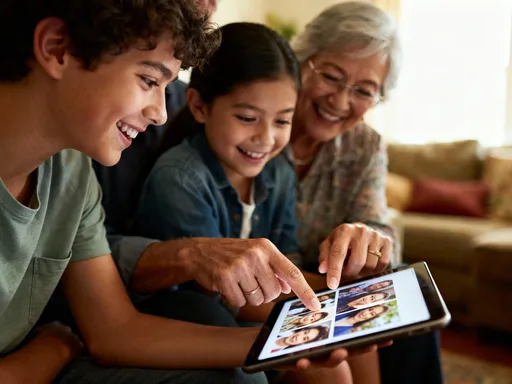
We began to ask ourselves: What does it really mean to "be there" for someone? Is it seeing their face on a screen every Sunday? Or is it knowing they’re thinking of you, even if they’re not online? One family I spoke with made a simple shift—they replaced their weekly video call with a shared photo album. Every few days, someone would add a picture: a blooming flower, a child’s drawing, a plate of cookies fresh from the oven. No pressure to perform. No need to be "on." Just small moments, shared quietly.
Another family started using voice notes instead of video. A mom told me, "I send my daughter a two-minute audio message while I’m walking the dog. I tell her about my day, what the weather’s like, what I made for dinner. She listens when she’s free. It feels more intimate than a video call, honestly. I’m not trying to look presentable—I’m just being me." And her daughter agreed: "I actually pay more attention to her voice messages than I ever did to our calls. I can hear her laugh, her tiredness, her joy. It feels real."
Some families introduced "no-camera" calls—audio-only conversations where no one had to worry about lighting or background noise. One woman said, "My sister and I used to fight about when to call because she’d always catch me in the middle of something. Now we just talk while we’re cooking or folding laundry. No pressure. No performance. And somehow, we talk longer and say more."
The shift wasn’t about rejecting video—it was about redefining what presence means. We realized that connection isn’t about how often we appear on screen, but about how thoughtfully we show up. A short video of the sunset with a voiceover saying, "Wish you were here," can mean more than a forced 30-minute chat. A photo of a coffee mug with the note "Thinking of you" can feel more personal than a scheduled call. When we stopped equating visibility with care, we found deeper, more authentic ways to stay close. The technology didn’t change—but our relationship with it did.
Building Better Habits: Simple Rules That Changed Everything
Change didn’t happen overnight. It started with small, kind conversations. One woman told me how she sat down with her parents and said, "I love seeing you, but I need a little breathing room. Can we switch to one video call a week and share voice notes in between?" To her surprise, they agreed. "They didn’t want me to be stressed," she said. "They just wanted to feel close."
Another family introduced "Flex Call Fridays"—an open invitation, no schedule, no pressure. "We just say, ‘If you’re free and feel like chatting, hop on,'" one mom explained. "Sometimes no one does. Sometimes we end up with a 15-minute chat that feels lighter and more fun than our old hour-long calls."
Some families set clear boundaries around time. No calls during meals. No video chats after 8 PM. One couple made a rule: "After 7 PM is family time—no calls unless it’s urgent." At first, their parents were surprised. But over time, they adapted. "They realized we weren’t pulling away—we were protecting our peace so we could be more present when we did connect," the wife said.
The key wasn’t enforcing rules—it was co-creating them. Instead of saying, "I don’t want to talk," families learned to say, "I want to stay close, but in a way that works for everyone." They started conversations with empathy: "I love you, and I want to see you, but I also need space to recharge." And they listened when others shared their needs too. These weren’t strict policies—they were shared agreements, built on love and respect. And the result? Fewer missed calls, less guilt, and more genuine connection. When boundaries are set with care, they don’t push people away—they make room for better moments.
Choosing the Right Moment, Not Just the Right Tool
We began to notice something important: not every moment needs a video call. A sad day calls for a soft voice, not a smiling face. A quick update is better as a text. A joyful moment? Maybe a short video clip is perfect. We started matching the medium to the mood—and it changed everything.
One mother shared how she switched to audio-only calls with her teenage daughter. "We used to argue during video calls because she’d shut down if the camera was on. Now we talk while she’s walking home or lying in bed. She opens up more. I can hear her, but I’m not watching her, and that makes her feel safer."
Another family uses a shared digital photo album as their main way to stay connected. "We don’t talk every week," one daughter said, "but I see my parents’ lives unfolding—new flowers in the garden, Dad trying a new recipe, Mom’s book club meeting. It feels natural, not forced. And when we do talk, we have real things to discuss."
Some families adopted a "no video for serious talks" rule. "If we need to talk about something important, we do it by phone or in person," one woman said. "The camera adds pressure. When it’s just voices, we can be more honest."
We also learned to pause. Instead of jumping on a call because someone messaged, we started asking, "Is this the right time?" One woman said, "I used to feel like I had to respond immediately. Now I wait until I’m ready. And you know what? The world doesn’t end. The connection stays strong."
When we stopped treating every message as a demand and started choosing the right moment, technology became a helper instead of a demand. We weren’t rejecting connection—we were honoring it by being more intentional. And that made all the difference.
Creating Digital Boundaries That Protect Real-Life Joy
Boundaries aren’t walls. They’re like fences around a garden—they keep the good things in and the stress out. One of the most powerful shifts came when families started setting digital boundaries not to push people away, but to protect their joy. Turning off notifications after dinner. Setting "do not disturb" hours. Closing the laptop and saying, "This time is for us."
A couple I know turned off all family app notifications after 7 PM. "We weren’t ignoring anyone," the husband said. "We just wanted to be present with our kids. And honestly, we were more present with our parents too—because when we did talk, we weren’t distracted or tired."
One woman started scheduling "call-free" weekends. "I’d let my family know in advance: ‘I’m taking Saturday to recharge. I’ll be back online Sunday evening.’ And you know what? They respected it. And I came back feeling more connected, not less."
Another mom began using airplane mode during her morning routine. "That hour is mine—coffee, journaling, quiet. I don’t miss calls. I don’t feel guilty. And I start the day grounded, which makes me a better mom, wife, and daughter."
These small acts of protection didn’t damage relationships—they strengthened them. When we stop running on empty, we have more to give. Protecting your peace isn’t selfish. It’s how you show up as your best self for the people you love. And when families see that your boundaries come from care, not distance, they’re more likely to understand. The goal isn’t to disconnect—it’s to reconnect in a healthier way.
The New Normal: Calmer, Closer, and in Control
Today, video calls feel different. They’re no longer a source of stress, but a joyful choice. Families report deeper conversations, fewer burnouts, and more authentic moments. One woman said, "We used to have weekly calls that felt like a performance. Now we have monthly calls that feel like a celebration." Another shared, "We talk less, but we listen more. And somehow, we feel closer than ever."
The transformation wasn’t just about technology—it was about values. We learned that closeness doesn’t require constant contact. That love can be quiet, thoughtful, and flexible. That showing up doesn’t mean being available 24/7—it means being present when it matters.
We didn’t lose connection by stepping back. We found a wiser, more sustainable way to stay close. We rediscovered the joy of a surprise voice note, a shared photo, a no-pressure chat. We stopped measuring love by screen time and started measuring it by sincerity.
And in the process, we gave ourselves permission—to rest, to recharge, to be imperfect. We learned that loving others doesn’t mean losing ourselves. In fact, it’s the other way around. When we protect our peace, we have more love to give.
So if you’re feeling overwhelmed by the pings, the schedules, the pressure to be "on"—know this: you’re not alone. And you don’t have to choose between connection and calm. You can have both. It starts with a small shift in mindset, a gentle conversation, a new habit. It starts with remembering that technology should serve us—not the other way around. And it ends with something beautiful: a life where love flows freely, without guilt, without exhaustion, and with real joy.