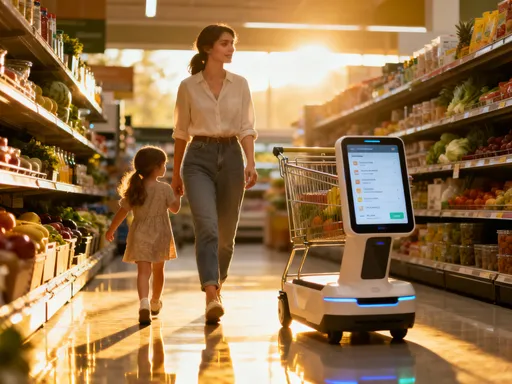
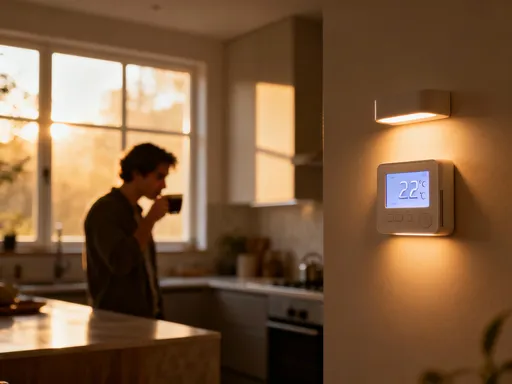
Tired of guessing what to eat for a healthier family? This smart system guides your meals with care
We’ve all been there—standing in the kitchen, staring into the fridge, wondering what to cook that’s both tasty and good for the family. You want to eat better, manage your health, and keep your loved ones safe, but it’s hard to stay consistent. What if your home could gently help you make smarter choices, not just in emergencies, but every day? That’s where quiet, caring technology steps in—working behind the scenes to support your well-being, one meal at a time. It’s not about fancy gadgets or complicated rules. It’s about having a little help that understands your life, your routines, and your heart. And honestly, isn’t that exactly what we all need?
The Daily Struggle: When Healthy Eating Feels Overwhelming
Let’s be real—life doesn’t slow down just because you want to eat more vegetables. You come home after a long day, your kids are hungry and already bickering, and the easiest thing feels like ordering pizza—again. You know it’s not the healthiest choice, but the alternative? Digging through half-empty containers, trying to remember if you bought onions, and wondering if anyone will actually eat whatever you make. The guilt creeps in. Not the dramatic kind, but that quiet, nagging voice that says, “You could be doing better.”
And it’s not just dinner. It’s the forgotten lunches, the snacks pulled from the pantry at 3 p.m., the last-minute grocery runs where you end up with the same processed stuff because it’s fast. You’ve tried meal planning. You’ve pinned beautiful recipes. But something always gets in the way—someone’s schedule changes, someone’s not feeling well, or you just… forget. It’s not that you don’t care. You care deeply. You want your family to feel strong, to have energy, to grow up healthy. But the system is working against you, not with you.
This isn’t about perfection. No one expects you to serve organic quinoa every night. But the constant mental load of trying to “do better” without real support? That’s exhausting. And when we’re tired, we default to what’s easy. The truth is, most of us aren’t failing because we lack willpower. We’re failing because we lack tools that fit into real life. Tools that don’t add more to our plates, but actually lighten the load. That’s where technology, when designed with care, can step in—not to judge, but to gently guide.
Beyond Emergencies: How Safety Tech Has Quietly Evolved
When we think of safety technology, we often picture alarms—smoke detectors, security cameras, medical alert buttons. And those are important. But over the last few years, something quieter has been happening in the background. Safety isn’t just about reacting to emergencies anymore. It’s also about preventing problems before they start. It’s about supporting daily wellness so your family stays healthy, strong, and balanced over time.
Modern systems now include features that monitor routines—not to spy, but to notice when something’s off. For example, a motion sensor might detect that your elderly parent hasn’t moved from the couch in hours and send a gentle alert to a family member. Or a smart pill dispenser might remind someone to take their medication at the right time. These aren’t futuristic ideas—they’re real tools, already in use, designed to offer peace of mind.
And now, that same thoughtful technology is moving into the kitchen. Because let’s face it—what we eat is one of the biggest factors in long-term health. Poor nutrition doesn’t just lead to low energy. It can affect mood, weaken immunity, and increase the risk of chronic conditions down the road. So why wait until there’s a problem? Why not have a system that helps you stay on track every day, in ways that feel natural and kind? That’s the shift: from emergency response to everyday care. From reacting to protecting. And it’s happening in homes just like yours.
Meet the Kitchen Companion: A System That Knows Your Goals
Imagine a system that doesn’t bark orders or shame you for eating cookies. Instead, it’s like a calm, organized friend who quietly helps you stay on course. That’s what a smart kitchen companion does. It’s not a single device—it’s a connected system that works across your fridge, pantry, phone, and voice assistant. And its job isn’t to take over, but to support.
Let’s say you’ve told the system you’re trying to eat more fiber and reduce sugar. It starts by learning what foods you usually buy and what your family actually eats. If you open a bag of chips and no one finishes it, it notices. If you consistently skip breakfast, it picks up on that too. But instead of judging, it offers gentle suggestions. “Looks like you’re low on fresh fruit,” a soft voice might say from your kitchen speaker. Or your fridge screen might light up with, “Try the lentil soup recipe? It’s high in protein and your kids liked it last time.”
One mom I spoke with, Sarah, told me how this changed her evenings. “I used to stand there, stressed, trying to figure out dinner while my kids whined for snacks. Now, around 5:30, my system says, ‘Time to start thinking about dinner. You have chicken, broccoli, and brown rice ready to go.’ It’s not forcing me. It’s just reminding me, so I’m not starting from zero.” She added, “It’s like having someone who knows what we need before I even do.” That’s the power of a system that’s tuned to your life—not a generic app, but something that feels personal, almost intuitive.
How It Learns You: Personalization Without the Pressure
Now, you might be thinking—“Okay, but is this going to track my every move? Will it nag me if I eat dessert?” The good news? These systems are designed with privacy and kindness in mind. They’re not about surveillance. They’re about learning—slowly, respectfully—what works for your household.
Think of it like a new friend getting to know your habits. At first, it observes. It sees that you buy spinach but it always goes bad. So next time, it suggests a recipe that uses frozen spinach instead. It notices your daughter refuses fish on Mondays but loves it on Fridays—so it doesn’t push seafood at the wrong time. Over time, it builds a picture of what actually works, not what a textbook says should work.
And yes, it can connect with health goals. If your doctor recommends more iron-rich foods, you can add that to your profile. The system will then highlight meals with beans, lentils, or lean meats. If someone has a food allergy, it flags recipes that include those ingredients. But you’re always in control. You decide what data to share, what goals to set, and how much nudging you want. No pressure. No guilt. Just support that adapts to you, not the other way around.
The tech behind this—artificial intelligence—sounds intimidating, but it’s really just pattern recognition. Like how you learn your child’s moods or your partner’s schedule, the system learns your rhythms. And because it’s designed for real homes, it expects imperfection. Missed a meal? Skipped a grocery run? It doesn’t scold. It adjusts. That’s what makes it feel human, even though it’s not.
Small Nudges, Big Changes: The Power of Daily Guidance
Real change doesn’t happen in dramatic moments. It happens in the small, quiet decisions we make every day. Choosing water over soda. Adding a handful of veggies to the pasta. Prepping a snack the night before so you’re not raiding the cookie jar at midnight. These tiny choices, repeated over time, add up to real results. But making them consistently? That’s the hard part.
This is where daily guidance shines. Instead of waiting for you to remember, the system offers gentle prompts at just the right time. A soft chime in the afternoon: “Time to refill your water bottle.” A notification on your phone: “Your favorite yogurt is on sale at the store—great for calcium.” Even your smart scale, if you use one, might say, “You’ve been hitting your step goals—great job! Keep fueling with balanced meals.”
One user, Maria, shared how surprised she was by the impact. “I didn’t think a little reminder could make a difference. But after a few weeks, I realized I was drinking more water, eating more fruit, and actually enjoying cooking again. It wasn’t that I became super disciplined. It was that the system made it easier to do the right thing without thinking about it.” That’s the magic—when healthy habits stop feeling like effort and start feeling like your normal.
And the best part? It’s not all on you. The system builds grocery lists automatically, based on what you’re running low on and what meals you’ve planned. No more forgetting the milk or buying three kinds of pasta you’ll never use. It can even suggest recipes based on what’s about to expire. Less waste. Less stress. More peace.
Peace of Mind for the Whole Family: Safety Meets Nourishment
When we talk about keeping our families safe, we often focus on locks, alarms, car seats. But nutrition is safety too. Eating well protects your child’s growing body. It helps your teenager manage stress. It supports your aging parent’s strength and independence. Good food is a form of care—one of the most powerful kinds.
And that’s why integrating meal support into a home care system makes so much sense. It’s not just about eating vegetables. It’s about creating a home where everyone feels looked after. Imagine your system noticing that your son hasn’t opened the lunchbox you packed. It could send you a quiet alert: “Lunch not accessed. Want to check in?” Or if your mom, who lives alone, hasn’t used her kitchen in a day, the system might prompt a family member to call—just to make sure she’s okay.
For busy parents, it means fewer decisions to make. For kids, it means more consistent, balanced meals even on chaotic days. For older adults, it means staying independent longer, with a little digital help. And for you? It means knowing that your home is working with you, not against you. That your efforts to care for your family are being supported, quietly and consistently.
One grandmother told me, “I don’t want to be a burden. But sometimes I forget to eat. Now, my kitchen reminds me. It says, ‘Time for a snack, Margaret.’ And you know what? I listen. It feels like someone cares.” That’s the heart of it—not just efficiency, but emotional comfort. Technology, at its best, shouldn’t feel cold. It should feel like care.
Making It Yours: Simple Steps to Start Today
If this sounds helpful, you might be wondering—“Where do I even begin?” The good news is, you don’t need to overhaul your home overnight. Start small. Most of these systems work with devices you might already own—like a smart speaker, a phone, or a tablet. You can begin with just one piece, like a smart fridge or a meal planning app, and build from there.
First, think about your goals. Do you want to eat more vegetables? Cut back on processed foods? Make sure everyone gets enough protein? Write them down. Then, choose a system that lets you input those goals in simple language—no tech skills needed. Look for one that emphasizes privacy and lets you control what data is shared.
Next, involve your family. Sit down together and talk about what you’d like to improve. Maybe your kids want more say in dinner choices. Maybe your partner wants healthier snacks at work. Let the system reflect your shared values, not just your individual ones. And don’t worry about getting it perfect. You can adjust settings anytime. Turn off reminders if they’re too much. Add new foods as your tastes change.
Finally, give it time. Like any new habit, it takes a few weeks to feel natural. But soon, you might find yourself looking forward to those little nudges. The reminder to drink water. The recipe suggestion that actually sounds good. The grocery list that saves you ten minutes at the store. These small wins add up to a bigger feeling—of being supported, of being in control, of knowing you’re doing your best for your family, with a little help from technology that cares.