Installed 7 smart lights in 2 weeks: The ones that kept my family calm and data secure
Remember that uneasy feeling when you’re away and wonder if the kids forgot to lock up—or if someone’s outside in the dark? I did. Then I tried smart lighting. Not just for brightness, but for peace of mind. Over two weeks, I installed seven systems, testing which ones truly protected my family—and our privacy. What I learned changed how I see safety at home. It’s not just about light. It’s about trust, simplicity, and feeling in control—without the tech stress.
The Moment I Realized My Home Wasn’t as Safe as I Thought
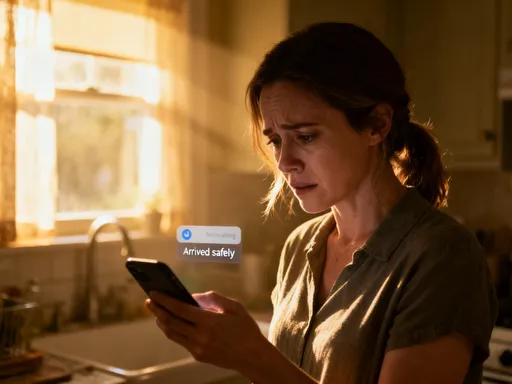
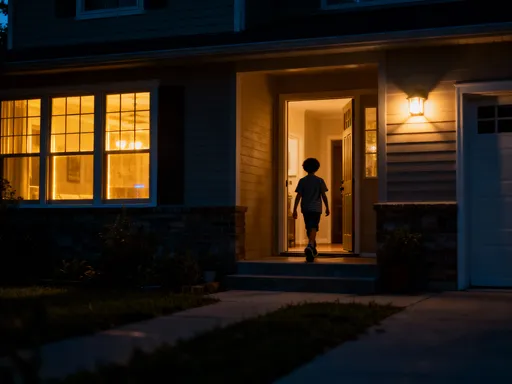
It was a rainy Thursday evening. I was at a friend’s birthday dinner across town, trying to enjoy the moment, but my phone kept catching my eye. My fifteen-year-old was home alone for the first time, and though we’d gone over the rules a dozen times, I couldn’t shake the worry. Around 8:30 p.m., a text came through: “Mom, I think someone’s outside.” My heart dropped. I called instantly, my voice tight with panic. “Are the front lights on?” I asked. There was a pause. “No… I didn’t think to turn them on.”
Through the phone, I could hear the wind rattling the windows. She described shadows moving near the driveway—probably just tree branches, but in that moment, it didn’t matter. What mattered was how powerless I felt, miles away, unable to do anything but talk her through turning on a single porch light. That night, I sat up late, replaying the conversation. I kept thinking: Why did it have to be this hard? We live in a world where we can video call from another continent, yet basic home safety still relied on someone remembering to flip a switch.
That moment became my wake-up call. I realized our home, as cozy and familiar as it felt, wasn’t truly equipped for modern peace of mind. Traditional lighting offered visibility, but not control. Not reassurance. Not the quiet confidence that everything is as it should be, even when you’re not there to check. So I made a decision: I would explore smart lighting—not as a gadget lover, but as a mom who wanted to protect her family in smarter, simpler ways. I didn’t need flashy features. I needed reliability, ease, and above all, trust.
Why Safety Lighting Is More Than Just Brightness
At first, I thought smart lights were just about convenience—being able to dim the living room from bed or set a color mood for movie night. But as I dug deeper, I realized their real power lies in emotional safety. Light shapes how we experience our homes. Darkness, especially at night, can quietly feed anxiety. For my younger daughter, it used to mean running from her bedroom to the bathroom, convinced something was lurking in the hallway. For me, it meant double-checking every lock before bed, just in case.
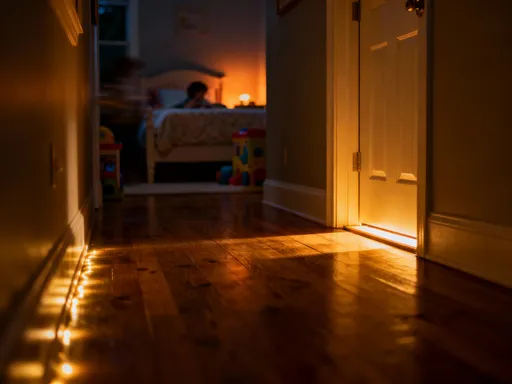
What changed everything was discovering how smart lighting can respond—not just shine. One of the first systems I tested used motion sensors in the hallway. Late one night, I heard a soft glow from the upstairs corridor. My eight-year-old was heading to the kitchen for water. The light turned on gently, just bright enough to guide her steps, then faded out after a minute. No fumbling for switches. No fear. No waking the whole house. I watched from the doorway, heart full. That small moment showed me the real value: lighting that supports independence, reduces nighttime stress, and gives children a quiet sense of safety.
But it’s not just about inside the house. I learned that consistent, intelligent lighting can also deter unwanted attention from outside. A well-lit porch or driveway makes it harder for anyone to linger unnoticed. Even better, some systems can simulate presence—turning lights on and off at random times when you’re away, so your home never looks empty. One weekend, my family visited my sister’s house. I used the app to activate the living room and kitchen lights at different times in the evening. A neighbor later mentioned, “I saw your lights on Friday night—thought you were home!” That’s exactly the kind of illusion that keeps homes safer. It’s not magic. It’s thoughtful tech working quietly in the background.
What I Looked for in a Reliable System
When I started researching, I was overwhelmed. So many brands, so many promises. “Voice control!” “App-enabled!” “Color-changing!” But I wasn’t interested in party modes or rainbow effects. I wanted something that would make my family feel secure—not add more complexity. So I made a shortlist of what truly mattered: reliability, ease of use, and, most importantly, data privacy.
I kept asking myself: Who can see when my lights turn on and off? Could someone track our routines? If a company stores my data in the cloud, what happens if they get hacked? I read privacy policies carefully—something I’ll admit I’d never done before. I looked for brands that clearly stated they encrypt data and store it locally whenever possible. I avoided any system that required linking to third-party services I didn’t trust or that asked for permissions like access to my contacts or location history.
Usability was just as crucial. I wanted something my parents could use when they visited. My mom isn’t tech-savvy, and if a system was confusing for her, it wasn’t right for us. I tested setups that needed multiple apps or complicated sync processes and quickly ruled them out. One brand required a hub, an app, and a separate login for voice control—three steps just to turn on a light. No thanks. I wanted “set it and forget it” simplicity. Security, to me, includes not just protection from outsiders, but peace of mind that the system won’t frustrate the people using it every day.
Installing the Lights: A Two-Week Experiment
I started small—just the front porch. That’s where the fear began, so it felt right to start there. The first system I tried was from a popular brand, easy to install, and worked with my voice assistant. But during setup, the app asked to collect “usage patterns” and share them with partners for “service improvement.” I paused. That didn’t sound optional. I looked for a way to disable it and couldn’t find one clearly. I uninstalled the app and returned the bulb. No amount of convenience is worth losing control over my family’s privacy.
Next, I tried a system that promised local control—no cloud, no external servers. It took a bit longer to set up, but once it was running, it responded instantly to motion and scheduled timers. I installed one in the driveway, another on the back patio. At night, they lit up the path automatically, and I could see from my phone whether they were active. No app login required—just a direct connection to my home network. That felt safer. I also tested indoor lights in the stairwell and my daughter’s room. One had a feature that gradually brightens when motion is detected, so it doesn’t shock you awake. I loved that. My teenager said, “It’s like the house knows I’m scared of the dark but doesn’t embarrass me by being too bright.”
Over the two weeks, I kept a notebook. I wrote down which systems responded quickly, which had delays, which apps felt clunky, and which gave me that quiet, steady feeling of “everything’s okay.” I paid attention to how my family reacted. Did they feel safer? Did they notice the lights? Did they complain? The answers mattered more than any tech spec. One system had a sleek app and cool features, but the light itself buzzed faintly at night. My husband noticed. “It’s like a mosquito,” he said. Gone. Another worked fine but required daily reboots. Not reliable. By the end of the second week, I had a clear picture of what worked—and what didn’t.
The Ones That Stayed—and Why
Out of the seven I tested, only three made the cut. The first is on the front porch. It uses motion sensing combined with randomized timers. Even when no one’s coming or going, it turns on at different times in the evening, making it look like someone’s home. I can’t tell you how much that simple feature has eased my mind when we’re away. It’s not fooling anyone with advanced tools, but it deters casual loitering—the kind of lingering that makes you uneasy.
The second is in the upstairs hallway. It dims to a soft glow when motion is detected at night, brightening slightly if someone stays in the area. It’s been a game-changer for my daughter. She no longer wakes up fully startled when she needs a drink or a trip to the bathroom. The light is there, but it’s gentle. It respects sleep. I’ve also noticed she walks more confidently now, without hesitation. That small sense of safety has given her a little more independence.
The third system is on the driveway and back door. It’s set to activate at dusk and turn off at dawn, but with motion override—if someone approaches late at night, it brightens fully. What I appreciate most is that all three systems store data locally. No cloud. No third-party access. No history of security breaches. They don’t even require an account. I set them up once, and they’ve worked flawlessly since. Now, when I travel for work, I don’t obsess over whether the doors are locked or the house is dark. I open the app, see the soft hallway glow, and know: we’re safe. And just as important, our routines, our patterns, our privacy—those stay ours.
How This Changed Life for My Family
The changes have been subtle but deep. My younger daughter no longer asks me to leave her bedroom light on all night. She knows the hallway will light up if she gets up. She even told me, “I feel like the house is watching out for me.” That melted my heart. My teenager, who used to roll her eyes at anything “mom thinks is safe,” now texts me when she gets home: “Lights are on. All good.” That small message means the world.
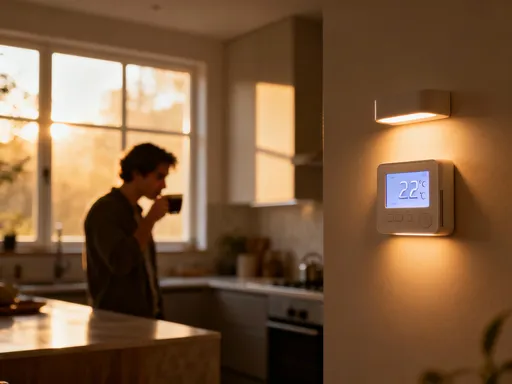
My partner has noticed too. He used to wake up if he heard a noise outside, convinced someone was at the door. Now, if the driveway light comes on, he can check the status from his phone without getting out of bed. “I don’t have to jump up and look,” he said. “I can just see.” That reduction in nighttime anxiety has improved our sleep—and our mornings. Even our dog seems calmer. He used to bark at shadows in the yard. Now, when the motion light kicks on, he just glances over and goes back to sleep. The environment feels more predictable, more secure.
But the biggest shift has been in me. I used to be the one double-checking locks, testing alarms, worrying about what-ifs. Now, I still care—deeply—but I don’t carry the weight alone. The lights handle part of that vigilance. They’re like a calm, thoughtful helper in the background, doing their job without fanfare. I don’t think about them every day, and that’s the point. The best technology doesn’t draw attention to itself. It just makes life feel a little smoother, a little safer, and a lot more under control.
Tips for Choosing Your Own System Without the Stress
If you’re thinking about trying smart lighting, I get it. It can feel overwhelming. You don’t want to waste money or end up with something complicated. Here’s what I’ve learned: start small. Pick one high-traffic area—like your front step, hallway, or kitchen. Try one light from a brand that prioritizes privacy and ease. See how it feels in real life. Does it respond when you need it? Is the app simple? Does it make you feel more at ease?
Before you even screw in the bulb, check the privacy settings. Look for options to disable data sharing, location tracking, or cloud storage. If the setup asks for permissions that feel excessive—like access to your camera or contacts—walk away. You have the right to control your data. I also recommend looking for systems that work offline or through local control. That way, if your internet goes down, your lights still function. Some of the most reliable ones I tested don’t even need an app after setup.
Involve your family. Let your kids try turning the lights on at night. Ask your partner how it feels to know the perimeter is lit. Their comfort matters more than any feature list. And remember: the goal isn’t to turn your home into a high-tech fortress. It’s to create a space where everyone feels calm, protected, and free to live without constant worry. The right lighting does that quietly, without drama. It doesn’t replace your care—it supports it.
Looking back, I’m grateful for that rainy night that sparked my journey. It pushed me to look deeper, to ask better questions, and to find solutions that align with what matters most: my family’s safety and peace of mind. I didn’t need the flashiest system. I needed one that worked, protected, and respected our privacy. And now, when I tuck in my daughter at night, when I leave for a trip, when I lie in bed and hear the soft click of a motion light turning on, I don’t feel anxiety. I feel trust. The house is watching. And so am I—just a little more calmly than before.