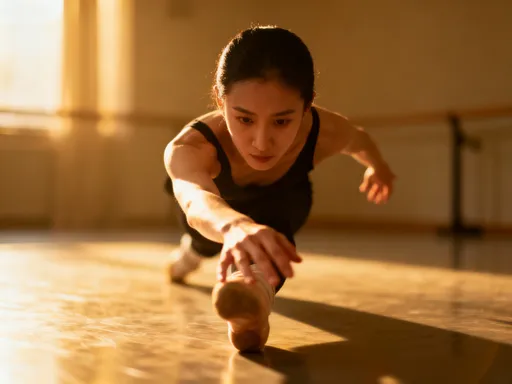
Loose Joints, Better Days: How Stretching Quietly Transforms Your Health
You probably stretch to feel looser—but what if it’s also quietly upgrading your health from the inside? Many women in their 30s, 40s, and 50s begin noticing subtle shifts: a stiffness in the mornings, a tightness across the shoulders after a long day, or a sense that the body just doesn’t move as freely as it once did. These aren’t just signs of aging—they’re messages. I started stretching daily not for flexibility, but because I felt stiff, tired, and off. Within weeks, my energy lifted, sleep deepened, and even my mood stabilized. Turns out, stretching isn’t just about muscles—it sends signals your body notices. This is how simple movement began reflecting real shifts in how I felt, looked, and functioned. And science increasingly confirms that the act of stretching, when done consistently and mindfully, can serve as both a mirror and a modifier of internal health.
The Hidden Language of Your Body: What Stiffness Really Tells You
Stiffness is often dismissed as a minor inconvenience, something to brush off with a quick twist or a yawn. But for many women navigating the demands of family, work, and self-care, persistent tightness is more than just discomfort—it’s a physiological signal. Chronic muscle tension can reflect deeper imbalances: poor circulation, accumulated stress, or the physical toll of a sedentary lifestyle. When you sit for hours at a desk, drive long distances, or stand in the kitchen preparing meals, your body adapts by shortening certain muscle groups. The hips tighten, the chest rounds forward, and the neck bears the weight of constant forward gaze. Over time, these postural adaptations become habitual, and the body begins to operate from a state of low-grade tension.
This physical rigidity often mirrors mental and emotional fatigue. The mind-body connection is not just a concept—it’s a biological reality. When stress activates the sympathetic nervous system, the body prepares for action by tensing muscles, even if no physical threat is present. This 'fight-or-flight' response, when repeatedly triggered, leads to sustained muscle contraction, particularly in the neck, shoulders, and lower back. Women in midlife may find themselves especially vulnerable to this cycle, as hormonal fluctuations, sleep disruptions, and caregiving responsibilities amplify stress load. Morning stiffness, for instance, isn’t just a sign of aging joints—it can indicate elevated inflammation levels or poor overnight recovery. Similarly, neck and shoulder tension after screen time isn’t merely about poor ergonomics; it’s the body’s way of registering mental strain.
Recognizing stiffness as a form of communication changes how we respond to it. Instead of reaching for pain relievers or ignoring the sensation until it worsens, we can begin to listen. What if that tight hamstring isn’t just tight—but dehydrated? What if a stiff lower back isn’t just weak—but overworked from compensating for weak glutes or tight hip flexors? These questions shift the focus from symptom management to root-cause awareness. Stretching, when approached with curiosity rather than force, becomes a way to decode these messages. It allows us to detect where tension lives, understand why it might be there, and respond with care. This awareness is the first step toward restoring not just mobility, but overall well-being.
Stretching as a Daily Check-In: More Than Just Warm-Up
Most people think of stretching as something you do before or after a workout—a brief ritual to prevent injury or ease soreness. But for those seeking deeper health insights, stretching can serve as a daily check-in, a moment of quiet attunement with the body. Just as you might monitor your mood, energy levels, or sleep quality, consistent stretching offers a tangible way to track physical changes over time. When practiced mindfully, it becomes a form of body literacy, helping you detect subtle shifts that might otherwise go unnoticed.
Consider the difference between how your hamstrings feel on a well-rested morning versus after a sleepless night. Or how your shoulders respond after a calm day at home compared to a high-pressure workday. These variations are not random—they reflect your body’s internal state. Regular stretching allows you to observe patterns: perhaps your hips feel tighter during stressful weeks, or your spine feels more fluid after a few days of better hydration. Over time, these observations build a personal health map, revealing how lifestyle factors like stress, diet, and sleep directly influence physical comfort.
Beyond flexibility, consistent stretching supports broader wellness markers. Improved joint range of motion often correlates with better posture, which in turn affects breathing, digestion, and even confidence. When the chest opens and the spine lengthens, the lungs have more space to expand, enhancing oxygen intake. This simple mechanical shift can reduce fatigue and improve mental clarity. Additionally, mindful stretching activates the parasympathetic nervous system, the body’s 'rest-and-digest' mode, which helps regulate heart rate, blood pressure, and digestion. As tension releases, the body shifts from a state of survival to one of restoration. This transition isn’t just physical—it’s neurological, influencing how you process stress and recover from daily demands.
For women balancing multiple roles, this daily check-in becomes a form of self-respect. It’s not about achieving perfect form or touching your toes—it’s about showing up for yourself, even for five minutes. That brief window of movement and breath creates space for awareness, allowing you to notice when something feels off before it becomes a problem. In this way, stretching evolves from a physical act into a preventive health practice, offering early warnings and quiet affirmations of progress.
The Science of Length: How Stretching Influences Real Health Metrics
Beyond the feeling of relief, stretching triggers measurable physiological responses that contribute to long-term health. Research in exercise physiology shows that regular static and dynamic stretching improves blood flow to muscles and connective tissues. Enhanced circulation delivers more oxygen and nutrients while removing metabolic waste, reducing soreness and supporting tissue repair. This process is especially important as we age, when natural circulation tends to decline. Improved blood flow also benefits the skin, giving it a healthier appearance, and supports joint lubrication, reducing the risk of stiffness and discomfort.
Another well-documented effect is the activation of the parasympathetic nervous system. When you stretch slowly and breathe deeply, the vagus nerve is stimulated, signaling the body to relax. This shift lowers cortisol levels, the primary stress hormone, which, when chronically elevated, is linked to weight gain, sleep disturbances, and weakened immunity. By reducing cortisol, stretching helps regulate the body’s stress response, leading to steadier energy levels, improved sleep quality, and greater emotional resilience. These changes aren’t immediate, but with consistency, they become part of a new baseline.
Studies also suggest that regular stretching can reduce markers of inflammation. Chronic low-grade inflammation is associated with a range of health concerns, including joint pain, fatigue, and metabolic imbalance. Gentle, sustained stretching appears to modulate inflammatory pathways, possibly by improving lymphatic drainage and reducing mechanical stress on tissues. While stretching is not a cure, it functions as a supportive practice that complements other healthy habits. For example, women experiencing joint discomfort during hormonal transitions may find that daily stretching eases stiffness without the need for medication.
Additionally, stretching influences respiratory function. Tight chest and shoulder muscles restrict lung expansion, leading to shallow breathing. When these areas are lengthened, breathing becomes deeper and more efficient, increasing oxygen delivery to the brain and muscles. This can enhance mental focus and reduce feelings of anxiety. Heart rate variability—a marker of cardiovascular resilience—also improves with regular mindful movement, indicating a more adaptable and balanced nervous system. These internal shifts may not be visible, but they are real, and they accumulate over time, contributing to a stronger, more responsive body.
My 5-Minute Morning Routine That Changed Everything
I didn’t start with an hour-long yoga session or a complex regimen. My transformation began with just five minutes each morning—simple, accessible movements that required no equipment and could be done in pajamas. The key wasn’t intensity; it was consistency. Over time, this small habit revealed profound changes in how I felt throughout the day. Here’s the routine that made the difference.
It begins with **neck rolls**: gently dropping the right ear toward the shoulder, rolling the chin to the chest, then to the left shoulder, and back. This takes about one minute. It’s not just about loosening the neck—it’s about releasing the tension that accumulates from looking at screens, holding phones between ear and shoulder, or clenching during stress. I noticed that on days when my neck felt especially tight, I was often more irritable or fatigued, signaling that my nervous system was on high alert.
Next is **cat-cow stretch**, performed on hands and knees. Inhaling as the spine arches (cow), exhaling as it rounds (cat). This movement warms up the spine, improves thoracic mobility, and synchronizes breath with motion. It also serves as a barometer: if my lower back resists the movement, I know I’m either dehydrated or carrying stress. This two-minute sequence connects breath to body, setting a calm tone for the day.
The third step is a **standing forward fold**. From a standing position, I hinge at the hips, letting my upper body hang loosely. This stretches the hamstrings and lower back while encouraging blood flow to the brain. If my hamstrings feel unusually tight, I’ve learned it’s often a sign of dehydration. A glass of water after this stretch usually brings noticeable relief within an hour.
Finally, **hip openers**: a gentle figure-four stretch while lying on the floor or seated in a chair. I hold each side for about 30 seconds. Tight hips are common among women with sedentary jobs or long commutes. This stretch not only improves mobility but also signals how much time I’ve spent sitting. On days when my hips are particularly stiff, I make a point to take more walking breaks.
This routine takes less time than brushing my teeth, yet its impact is lasting. It doesn’t promise dramatic splits or athletic performance—it offers something more valuable: a daily conversation with my body. By tuning in each morning, I catch imbalances early, respond with care, and start the day with greater awareness.
When Flexibility Meets Function: Reading the Signs Your Body Sends Back
Progress in stretching isn’t always measured by how far you can reach or how deep you can bend. For many women, the real benefits show up in functional improvements—changes that affect daily life in quiet but meaningful ways. Sleeping through the night, needing less caffeine to stay alert, or feeling calmer during stressful moments are all signs that the body is finding balance. These shifts may seem unrelated to stretching, but they are deeply connected.
When the nervous system is regulated through consistent, mindful movement, the body operates more efficiently. Sleep improves because cortisol levels drop and melatonin production aligns with natural rhythms. Energy becomes steadier because blood flow and oxygen delivery are optimized. Emotional resilience increases because the body isn’t constantly signaling distress. These are not exaggerated claims—they are observable outcomes reported in clinical studies and echoed by countless individuals who have made stretching a habit.
Consider the woman who used to wake up with jaw pain from clenching. After six weeks of gentle neck and shoulder stretches, she notices the pain has faded. Or the mother who used to rely on afternoon coffee to push through fatigue but now finds she can skip it without crashing. These aren’t coincidences—they’re reflections of systemic change. Stretching, when practiced regularly, supports metabolic efficiency, allowing the body to use energy more effectively and recover faster from daily stressors.
The key is learning to read these signals. A good night’s sleep becomes data. A calm response to a child’s tantrum becomes evidence of progress. These soft indicators are often more telling than physical flexibility alone. They reveal that the body isn’t just moving better—it’s functioning better. And for women who may feel they don’t have time for long workouts or elaborate self-care routines, this kind of subtle transformation is both achievable and sustainable.
Common Mistakes That Block Real Progress (And How to Fix Them)
Despite its simplicity, stretching is often done incorrectly, which can limit benefits or even lead to injury. One of the most common mistakes is **bouncing** during a stretch—known as ballistic stretching. This abrupt movement can trigger the stretch reflex, causing muscles to contract instead of relax, increasing the risk of strain. The fix is simple: move slowly and hold each stretch steadily for 20 to 30 seconds, allowing the muscle to gradually release.
Another frequent error is **holding the breath**. When people focus on reaching farther, they often forget to breathe, creating internal tension that counteracts the goal of relaxation. Breath is a vital tool in stretching—it signals safety to the nervous system. Syncing slow inhales and exhales with movement enhances the calming effect and improves tissue elasticity. A simple rule: if you’re not breathing, you’re not stretching effectively.
Many also **overfocus on extreme flexibility**, chasing goals like the splits or touching their toes. While these may be motivating for some, they aren’t necessary for health. In fact, excessive flexibility without strength can lead to joint instability. The goal should be balanced mobility, not extreme range. Focus on how you feel, not how you look. Gentle tension is normal; pain is not.
Finally, inconsistency undermines progress. Stretching once a week won’t yield the same benefits as daily practice. The body responds to repetition. To build reliability, track your routine—note how your body feels each day, or use a simple calendar checkmark system. Over time, patterns emerge, making stretching not just a habit, but a trusted tool for self-assessment.
Making It Stick: Turning Stretching Into a Health Habit You Can Trust
The greatest challenge isn’t knowing how to stretch—it’s making it a lasting part of daily life. The most effective way to build consistency is to anchor stretching to existing habits. After brushing your teeth, before brewing your morning coffee, during a child’s homework time, or right before bed—these are natural cues that require no extra planning. By linking stretching to familiar routines, it becomes less of an obligation and more of a seamless transition into self-care.
For many women, bedtime stretching has become a non-negotiable ritual. A few minutes of gentle movement—child’s pose, seated forward bend, or supine twists—signals the body that it’s time to wind down. This practice not only eases physical tension but also creates a mental boundary between the day’s demands and rest. Over time, the body begins to associate these movements with relaxation, making it easier to fall asleep and stay asleep.
Another powerful strategy is the **post-screen stretch**. After finishing work emails or scrolling through social media, take two minutes to roll the shoulders, stretch the wrists, and lengthen the spine. This simple act resets the body after prolonged stillness and reduces the cumulative strain of digital life. It also serves as a mini-detox from mental clutter, offering a moment of presence.
As this habit solidifies, stretching becomes more than exercise—it becomes a trusted health companion. You begin to rely on it not just for relief, but for insight. Sudden tightness in the lower back might signal dehydration or stress. Stiff shoulders could mean you’ve been carrying emotional weight. By paying attention, you gain the ability to respond early, before minor imbalances become major issues. This proactive approach empowers you to take charge of your well-being in a way that’s gentle, sustainable, and deeply personal.
Your Body Talks—Are You Listening?
Stretching, when done mindfully, becomes a mirror for internal health. It reveals what numbers on a scale or a blood test cannot: how you’re truly feeling from the inside out. The woman who once dismissed stiffness as inevitable now recognizes it as a call to hydrate, rest, or breathe. The mother who felt constantly drained now notices that five minutes of morning movement sets a calmer tone for the entire day. These shifts are not miraculous—they are the result of small, consistent actions that honor the body’s need for movement and attention.
The beauty of stretching lies in its accessibility. No gym, gadget, or drastic lifestyle change is required. All it asks is a few minutes of your time and a willingness to listen. Flexibility is not just about how far you can reach—it’s a sign of resilience, balance, and responsiveness. It reflects a body that is cared for, a nervous system that is regulated, and a life that is lived with greater awareness.
So the next time you feel that familiar tightness, don’t ignore it. Pause. Breathe. Stretch. Let that moment be more than a quick fix—it can be a conversation. Your body is speaking. Are you listening?