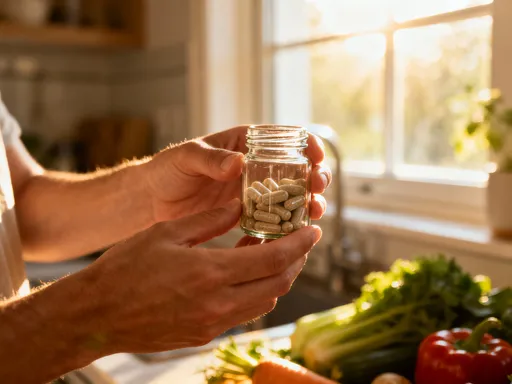
How I Finally Got Serious About Bone Health — And What Changed
I used to think bone health was just for older people—until I started feeling joint stiffness in my thirties. That’s when I realized strong bones aren’t built overnight. Through small, science-backed diet shifts, I’ve seen real improvements in my energy and mobility. This isn’t a quick fix, but a sustainable way to support your skeleton daily. If you’ve ever wondered how food shapes your bone strength, this is for you.
The Wake-Up Call: Why Bone Health Matters Earlier Than You Think
For years, bone health seemed like a distant concern, something to address in later decades. But subtle signals began appearing well before middle age—morning stiffness in the fingers, occasional knee discomfort after long walks, and a general sense of fatigue that rest didn’t fully resolve. These weren’t dramatic symptoms, but they were persistent. It wasn’t until a routine check-up revealed slightly lower-than-ideal bone density for her age that the reality set in: bone loss doesn’t announce itself with fanfare. It progresses silently, often going unnoticed until a minor fall leads to a fracture that should have been preventable.
This experience challenged a common misconception: that bone health is only relevant for older adults or postmenopausal women. In truth, peak bone mass is typically reached by the late twenties, and the rate of decline begins as early as the thirties. Every decade after that, the body loses a small percentage of bone density—around 1% per year on average—making early intervention essential. Waiting until symptoms appear means trying to repair damage rather than prevent it, and the body’s ability to rebuild bone diminishes over time.
Another myth is that only women need to be concerned. While hormonal changes during menopause do accelerate bone loss in women, men are not immune. In fact, one in five osteoporosis diagnoses occurs in men over 50. Yet, because bone health is often framed as a women’s issue, many men overlook it entirely. The reality is that both men and women benefit from proactive care. Building strong bones early creates a reserve that helps maintain mobility, independence, and quality of life far into the future.
Prevention, therefore, is not just smarter—it’s more effective. Once bone tissue is lost, regaining it is challenging and often incomplete. Lifestyle choices made in midlife can determine whether someone spends their later years active and independent or limited by fragility. The good news is that diet and daily habits play a powerful role in shaping bone resilience. Unlike genetic factors, which are fixed, nutrition is something everyone can influence. And the earlier these changes begin, the greater the long-term payoff.
Bone Basics: What Your Skeleton Really Needs to Stay Strong
Bones are often thought of as static structures, like the beams in a house. But in reality, they are living, dynamic tissues that constantly renew themselves through a process called remodeling. This cycle involves the removal of old or damaged bone by cells called osteoclasts and the formation of new bone by osteoblasts. When this balance is maintained, bones stay strong and adaptable. However, when resorption outpaces formation, density decreases, increasing the risk of fractures.
For remodeling to work efficiently, the body needs a steady supply of specific nutrients. Calcium is the most well-known, making up the mineral matrix of bone. But it’s only one piece of the puzzle. Without adequate vitamin D, the body can absorb only 10–15% of dietary calcium. With sufficient vitamin D, that number jumps to 30–40%. This dramatic difference highlights why focusing solely on calcium intake misses a critical part of the equation.
Vitamin K2 plays an equally vital but less recognized role. It activates proteins like osteocalcin, which bind calcium to the bone matrix, and matrix Gla protein (MGP), which prevents calcium from depositing in soft tissues like arteries. Without K2, calcium may end up in the wrong places—contributing to arterial stiffness rather than bone strength. This explains why some studies have linked high calcium intake without adequate K2 to increased cardiovascular risk.
Magnesium is another essential player. It helps convert vitamin D into its active form and is required for the proper function of both osteoblasts and osteoclasts. About 60% of the body’s magnesium is stored in bone, where it contributes to crystal structure and stability. Despite its importance, many adults do not meet daily magnesium needs, partly due to soil depletion and highly processed diets.
Protein, too, is foundational. Bones are not just mineral; they are made of a collagen framework that gives them flexibility and resilience. This protein matrix is what allows bones to bend slightly under pressure without breaking. Diets too low in protein compromise this structure, increasing fracture risk. Yet, a persistent myth suggests that high protein intake leaches calcium from bones. Research does not support this claim. In fact, adequate protein intake is consistently associated with better bone density and reduced fracture rates, especially in older adults.
Together, these nutrients work synergistically. No single nutrient can compensate for deficiencies in others. A holistic approach—emphasizing whole foods rich in calcium, vitamin D, K2, magnesium, and high-quality protein—is the most effective strategy for lifelong skeletal health.
Calcium, But Make It Count: Smarter Food Choices Over Supplements
Calcium gets the spotlight when bone health is discussed, and for good reason. It’s the most abundant mineral in bone tissue, providing strength and structure. But how calcium is consumed matters just as much as how much. While supplements are widely available, they come with limitations and potential risks. High-dose calcium supplements have been linked in some studies to an increased risk of kidney stones and cardiovascular events, possibly due to rapid spikes in blood calcium levels. In contrast, calcium from food is absorbed more gradually and is less likely to cause these imbalances.
Whole foods also deliver calcium alongside other bone-supportive nutrients. Take dairy products, for example. Milk, yogurt, and cheese provide not only calcium but also protein, phosphorus, and often vitamin D (in fortified versions). Leafy green vegetables like kale, bok choy, and collard greens offer calcium in a form that is well absorbed—especially when cooked to reduce oxalate content, which can inhibit absorption. Fortified plant milks, such as almond or soy milk, are another convenient option, particularly for those avoiding dairy.
Canned fish with edible bones—like sardines and salmon—are nutritional powerhouses. A single 3.75-ounce can of sardines provides over 350 mg of calcium, along with omega-3 fatty acids and vitamin D. These nutrients work together to reduce inflammation and support both bone and heart health. For those hesitant about the taste or texture, mixing mashed sardines into salads or pasta dishes can make them more palatable.
Small dietary shifts can significantly boost calcium intake without relying on pills. Replacing morning cereal with a yogurt parfait topped with berries and chia seeds adds calcium and protein. Choosing cheese as a snack instead of chips provides sustained energy and essential nutrients. Even desserts can be modified—using ricotta in place of cream cheese in baked goods increases calcium content while maintaining richness.
The key is consistency. Rather than aiming for a single high-calcium meal, spreading intake throughout the day supports steady absorption. The body can only absorb about 500 mg of calcium at a time, so large doses—whether from food or supplements—are less effective. A balanced approach, with moderate calcium-rich foods at each meal, ensures optimal utilization.
Vitamin D & K2: The Dynamic Duo Most People Miss
Vitamin D is often called the “sunshine vitamin” because the skin produces it when exposed to ultraviolet B (UVB) rays from sunlight. For many people, especially those living in northern latitudes or with limited sun exposure, this natural production is insufficient. During winter months, UVB radiation is too weak in many regions to trigger vitamin D synthesis, leading to seasonal drops in blood levels. Even in sunny areas, indoor lifestyles, sunscreen use, and skin pigmentation can reduce synthesis.
Dietary sources of vitamin D are limited but important. Fatty fish like salmon, mackerel, and tuna are among the best natural sources. Egg yolks, liver, and fortified foods such as milk, orange juice, and breakfast cereals also contribute. However, it’s difficult to meet daily needs through diet alone. The recommended intake for most adults is 600–800 IU per day, but many experts suggest that higher levels—up to 1,000–2,000 IU—may be necessary to maintain optimal blood concentrations, especially for those with limited sun exposure.
Vitamin K2 is even more elusive in the modern diet. Unlike vitamin K1, which is abundant in leafy greens and supports blood clotting, K2 is primarily found in fermented foods and animal products. Natto, a traditional Japanese food made from fermented soybeans, is the richest source, but its strong flavor and sticky texture make it unpopular outside Japan. Other sources include sauerkraut, certain cheeses like Gouda and Brie, grass-fed butter, and egg yolks from pasture-raised chickens.
K2’s role in bone health is unique. It activates osteocalcin, a protein produced by osteoblasts that binds calcium to the bone matrix. Without activated osteocalcin, calcium remains unutilized. More importantly, K2 directs calcium away from soft tissues. Arterial calcification—a major risk factor for heart disease—is less common in populations with high K2 intake. This dual action makes K2 a crucial protector of both skeletal and cardiovascular systems.
Because K2 is not widely available in Western diets, many people are deficient without knowing it. Unlike vitamin D, which is routinely tested in blood work, K2 status is not typically measured. However, indirect signs—such as frequent bruising, dental issues, or a history of vascular stiffness—may suggest insufficiency. Increasing intake through diet or considering a supplement, especially one containing the MK-7 form of K2, which has a longer half-life, can help close this gap.
Magnesium and Protein: The Unsung Heroes of Bone Structure
Magnesium often flies under the radar, yet it’s involved in over 300 biochemical reactions in the body, including those related to bone metabolism. One of its most important roles is in the activation of vitamin D. The enzymes that convert vitamin D into its active form, calcitriol, require magnesium as a cofactor. Without sufficient magnesium, even high vitamin D intake may not translate into better calcium absorption. This interdependence means that correcting one deficiency without addressing the other may yield limited results.
Beyond vitamin D activation, magnesium directly influences bone crystal formation. It helps regulate parathyroid hormone (PTH), which controls calcium levels in the blood. When magnesium is low, PTH can become dysregulated, leading to excessive calcium release from bones. Over time, this contributes to bone loss. Magnesium also improves the structural integrity of hydroxyapatite, the mineral complex that gives bones their hardness.
Despite its importance, nearly half of Americans do not meet the recommended daily intake of magnesium. Processed foods, which dominate many modern diets, are typically low in magnesium. Whole grains, nuts, seeds, legumes, and leafy greens are the best sources. Pumpkin seeds, almonds, black beans, and spinach are particularly rich. Including a handful of nuts as a snack or adding beans to soups and salads can significantly boost intake.
Protein, similarly misunderstood, is essential for bone integrity. The collagen matrix in bone is made of amino acids, the building blocks of protein. Without adequate protein, this framework becomes weak and brittle. Contrary to the outdated belief that high protein intake increases acid load and leaches calcium, recent research shows that protein enhances calcium absorption and stimulates insulin-like growth factor 1 (IGF-1), which promotes bone formation.
Studies consistently show that older adults with higher protein intake have better bone density and lower fracture risk. The key is balance—pairing protein with alkaline-forming foods like fruits and vegetables to maintain pH balance. Lean meats, poultry, fish, eggs, dairy, legumes, and soy products all contribute high-quality protein. Distributing protein evenly across meals—rather than consuming most of it at dinner—supports muscle and bone maintenance throughout the day.
Foods That Sabotage Your Bones (And What to Eat Instead)
Just as certain foods build bone strength, others can quietly undermine it. Excess sodium is a major culprit. High salt intake increases calcium excretion through the kidneys. For every 2,300 mg of sodium consumed—about one teaspoon of salt—approximately 40–60 mg of calcium is lost. Over time, this adds up, especially in diets already low in calcium. Processed foods—such as packaged snacks, canned soups, and fast food—are the primary sources of excess sodium in the modern diet.
Sugary beverages, particularly colas, pose another risk. While the phosphoric acid in soda was once thought to disrupt calcium balance, more recent evidence suggests that the real issue is displacement. People who drink soda regularly tend to consume less milk and other calcium-rich beverages. Additionally, high sugar intake promotes inflammation, which can accelerate bone loss. Replacing soda with water, herbal tea, or calcium-fortified plant milk improves hydration and nutrient intake simultaneously.
Excessive alcohol consumption also harms bone health. More than two drinks per day can interfere with osteoblast function, reduce calcium absorption, and increase the risk of falls. Alcohol affects balance and coordination, making fractures more likely even with minor bone loss. Moderation is key—limiting intake to one drink per day for women and two for men, if consumed at all.
Processed meats like bacon, sausage, and deli meats are another concern. They are high in both sodium and preservatives, and their frequent consumption is linked to chronic inflammation. Over time, this inflammatory state can disrupt the balance of bone remodeling, favoring resorption over formation. Swapping processed meats for lean proteins such as grilled chicken, baked fish, or plant-based alternatives reduces sodium and supports long-term bone integrity.
Practical changes can make a big difference. Cooking at home more often allows control over ingredients. Using herbs and spices instead of salt enhances flavor without sacrificing health. Choosing whole fruits over sugary desserts satisfies sweet cravings while providing potassium and antioxidants that support bone. These small, consistent choices create a dietary environment where bones can thrive.
Putting It All Together: A Realistic Daily Eating Framework
Building strong bones doesn’t require perfection—just consistency. A balanced daily eating pattern that includes a variety of nutrient-dense foods is more effective than short-term diets or extreme restrictions. Start the day with a breakfast that combines calcium, protein, and healthy fats: Greek yogurt with sliced almonds and blueberries, or scrambled eggs with spinach and whole-grain toast. Both options provide key nutrients while keeping energy levels stable.
Lunch can feature a leafy green salad with grilled salmon, chickpeas, avocado, and a vinaigrette made with olive oil and lemon juice. This meal delivers calcium from the greens, vitamin D and omega-3s from the fish, magnesium from the chickpeas, and healthy fats that aid nutrient absorption. For those short on time, preparing large batches of soup or grain bowls on weekends can make healthy eating more manageable during busy weekdays.
Dinner might include baked chicken or tofu with roasted sweet potatoes and steamed broccoli. Adding a side of sauerkraut introduces fermented food for K2, while the sweet potatoes provide potassium, which helps neutralize acid load and reduce calcium loss. A small piece of cheese or a cup of milk after dinner can top off calcium intake without excess calories.
Snacks should focus on whole foods: a banana with peanut butter, a handful of mixed nuts, or cottage cheese with pineapple. These options are satisfying and nutrient-rich, helping to avoid the pitfalls of processed alternatives. Planning snacks in advance prevents reaching for convenient but unhealthy choices.
Meal prep doesn’t have to be elaborate. Simple strategies—like washing and chopping vegetables as soon as they’re bought, cooking grains in bulk, or keeping canned beans and fish on hand—make healthy eating more accessible. The goal is to remove barriers so that good choices become the default, not the exception.
Long-term success comes from viewing nutrition as a form of self-care rather than a restrictive regimen. Small, sustainable changes accumulate over time. Missing a meal or indulging occasionally doesn’t undo progress. What matters is the overall pattern. By focusing on balance, variety, and consistency, anyone can support their bone health at any age.
Final Thoughts: Building a Foundation That Lasts a Lifetime
Bone health is not a destination but a lifelong journey. It begins in childhood and continues through every stage of life. The choices made today—what to eat, how to move, how to care for the body—shape the skeleton’s resilience for decades to come. While genetics play a role, lifestyle factors are within reach. Nutrition, in particular, offers a powerful tool for prevention and support.
The shift toward bone-healthy eating doesn’t require drastic overhauls. It’s about making informed, consistent choices: choosing whole foods over processed ones, embracing variety, and understanding how nutrients work together. It’s about recognizing that food is not just fuel but a form of communication with the body, telling it whether to build, repair, or break down.
Empowerment comes from knowledge and action. Every meal is an opportunity to strengthen the foundation of health. But it’s also important to remember that dietary changes are part of a broader picture. Regular weight-bearing exercise, adequate sleep, and stress management all contribute to bone health. And while nutrition supports the body, it does not replace medical care. Anyone with concerns about bone density, fracture risk, or underlying health conditions should consult a healthcare provider. Blood tests, bone density scans, and personalized guidance can provide clarity and direction.
In the end, taking care of bones is about taking care of oneself. It’s a quiet commitment to long-term well-being, one meal at a time. The body responds to consistent care with greater energy, mobility, and strength. And that’s a promise worth keeping.