Glow From Within: How Consistent Movement Transformed My Skin for Good
Ever noticed how some people have that unbeatable natural glow? I used to think it was just great genes or fancy skincare. But after years of chasing perfect skin with creams and serums, the real breakthrough came from something unexpected—movement. Not intense workouts, not extreme routines, but consistent, long-term exercise. I started seeing changes I never expected: fewer breakouts, a brighter tone, less puffiness. This isn’t a quick fix—it’s a slow, powerful shift. And honestly? I wish I’d started sooner. What I discovered is that radiant skin isn’t just about what you put on your face. It’s deeply connected to what you do with your body every day. Movement, in its simplest and most sustainable form, became the missing link in my journey toward healthier skin.
The Skin-Exercise Connection: What Most Skincare Routines Miss
For decades, the beauty industry has conditioned us to believe that flawless skin comes from a carefully curated lineup of cleansers, toners, and serums. While these products can support skin health, they often overlook a fundamental truth: the condition of your skin is a mirror of your internal well-being. Scientific research increasingly confirms that physical activity plays a vital role in skin vitality, influencing factors like blood circulation, inflammation levels, and hormonal balance—three pillars that directly affect how your skin looks and feels.
Blood circulation, for example, is essential for delivering oxygen and nutrients to skin cells. When you move your body, your heart pumps more efficiently, increasing blood flow throughout the body, including the skin. This enhanced circulation helps nourish skin cells and carry away waste products, including free radicals that contribute to premature aging. Over time, this process supports a more even skin tone and a natural radiance that no highlighter can replicate.
Equally important is the role of exercise in reducing inflammation. Chronic, low-grade inflammation is linked to a range of skin concerns, including acne, rosacea, and eczema. Regular physical activity has been shown to lower levels of inflammatory markers in the body, creating a more balanced internal environment where skin can thrive. Additionally, movement helps regulate hormones such as cortisol, the so-called “stress hormone.” Elevated cortisol levels can trigger oil production and breakouts, but consistent exercise helps keep these levels in check.
Another key benefit is improved lymphatic drainage. Unlike the circulatory system, which has a pump (the heart), the lymphatic system relies on muscle contractions to move fluid and remove toxins. Without regular movement, lymph can stagnate, contributing to facial puffiness, especially around the eyes and cheeks. Exercise stimulates this system naturally, helping to reduce swelling and promote a more defined, refreshed appearance.
While topical skincare products can address surface-level concerns, they cannot correct underlying imbalances. Exercise, on the other hand, works from the inside out. It doesn’t replace cleansing or moisturizing, but it enhances the skin’s ability to function optimally. The shift in perspective is critical: instead of treating the skin as an isolated organ, we begin to see it as part of a dynamic, interconnected system. Movement becomes not just a tool for fitness, but a foundational element of lasting skin health.
My Journey: From Acne-Prone Skin to Lasting Radiance
For over ten years, I struggled with skin that never seemed to cooperate. My face was prone to breakouts, especially along the jawline and chin, and my texture was uneven. I tried nearly every product on the market—acid toners, clay masks, prescription creams—each promising a solution. Some provided temporary relief, but nothing delivered lasting change. My medicine cabinet looked like a mini pharmacy, yet my confidence continued to waver. I felt like I was fighting a losing battle, one pimple at a time.
The turning point came not in a dermatologist’s office, but on a quiet morning walk. I wasn’t trying to fix my skin. I was simply trying to feel more energized. I had been feeling sluggish, mentally foggy, and emotionally drained. A friend suggested I try walking for 20 minutes each day, not as a workout, but as a way to clear my mind. I agreed, more out of curiosity than hope.
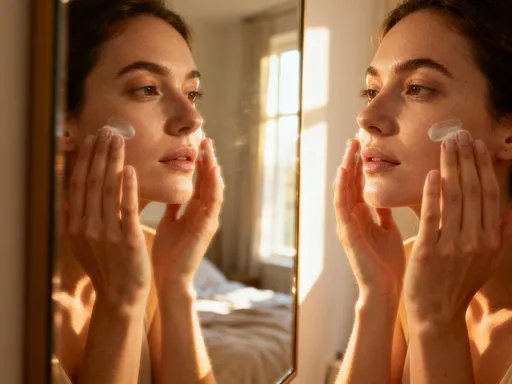
At first, I noticed subtle shifts in how I felt—more alert, less anxious. Then, about three weeks in, I caught a glimpse of myself in the mirror and paused. My skin looked… calmer. The usual morning puffiness was gone. My tone seemed more even, and a few stubborn spots had begun to fade. I didn’t think much of it at first—maybe it was the new moisturizer, or the change in season. But as the weeks turned into months, the changes became impossible to ignore.
Breakouts became less frequent, then rare. When they did appear, they healed faster. My skin felt stronger, more resilient. Even my daughter commented, “Mom, your face looks different. In a good way.” That moment hit me deeply. This wasn’t just about appearance—it was about the quiet, cumulative effect of showing up for myself in a new way. I hadn’t changed my skincare routine dramatically. I hadn’t adopted a restrictive diet. The only real difference was movement—daily, gentle, consistent movement.
Looking back, I realize that exercise didn’t “cure” my skin. Instead, it supported my body’s natural ability to heal and regulate itself. It reduced the internal stressors that had been silently fueling my breakouts. It improved my sleep, my digestion, and my mood—all of which, I later learned, are deeply tied to skin health. This journey taught me that transformation doesn’t always come from the most aggressive intervention. Sometimes, it comes from the simplest, most sustainable choices.
Why Long-Term Exercise Matters More Than Intensity
In a culture obsessed with quick results, it’s easy to assume that harder, faster, and more intense workouts yield the best outcomes. When it comes to skin health, however, consistency trumps intensity every time. Short-term fitness trends—like 30-day challenges or extreme calorie-burning regimens—may offer temporary boosts, but they rarely lead to lasting improvements in skin appearance. What truly matters is a steady, ongoing commitment to movement, even if it’s gentle.
Low-to-moderate physical activity, such as brisk walking, cycling, or yoga, supports stable blood flow and balanced hormone levels. These activities are sustainable over time, meaning they can be practiced daily without leading to burnout or injury. When you engage in regular movement, your body adapts. Blood vessels become more efficient, oxygen delivery improves, and inflammation remains low. These changes create an internal environment where skin can regenerate and repair itself more effectively.
On the other hand, high-intensity workouts, while beneficial in moderation, can sometimes increase oxidative stress and inflammation if not balanced with proper recovery. For some individuals, especially those already under significant stress, intense exercise can elevate cortisol levels, potentially triggering breakouts or redness. This doesn’t mean high-intensity training is harmful—only that it must be approached with awareness and balance. For skin health, the goal isn’t to push the body to its limits, but to support its natural rhythms.
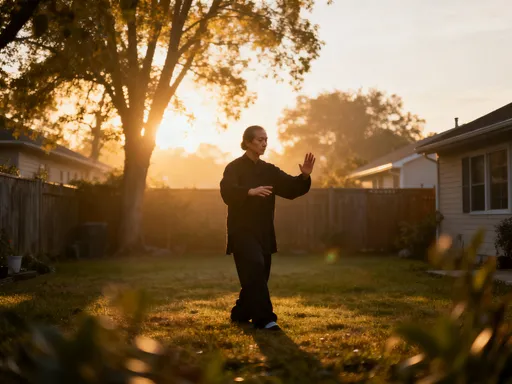
Another critical factor is stress management. Chronic stress is one of the most common triggers for skin flare-ups, including acne, psoriasis, and rashes. Regular movement helps regulate the nervous system, shifting the body from a state of “fight or flight” to one of “rest and digest.” This shift reduces the physiological burden on the skin, allowing it to function more normally. Activities like yoga, tai chi, or even mindful walking combine physical movement with mental relaxation, offering a dual benefit for both mind and skin.
The key is sustainability. A 10-minute walk every day is more valuable than an hour-long workout once a week. It’s the cumulative effect that matters. Over time, these small efforts build a foundation of internal health that radiates outward. The focus should not be on how hard you work, but on how consistently you show up for your body. When movement becomes a regular rhythm in your life, your skin begins to reflect that stability.
How Exercise Fights Common Skin Concerns (Naturally)
Skin issues like breakouts, dullness, redness, and premature aging are often treated as isolated problems, but they frequently share common internal roots. Exercise addresses many of these root causes through natural, science-backed mechanisms. By improving circulation, reducing inflammation, and supporting metabolic health, physical activity becomes a powerful ally in achieving clearer, more vibrant skin.
Take acne, for example. While clogged pores and bacteria play a role, research shows that insulin resistance and hormonal imbalances are significant contributors, especially in adult acne. Regular exercise improves insulin sensitivity, helping the body manage blood sugar more effectively. This, in turn, reduces the hormonal fluctuations that can lead to excess oil production and breakouts. Studies have found that individuals who engage in consistent physical activity are less likely to experience severe acne, even without changes to their skincare routine.
Dullness, another common concern, often results from poor circulation and a buildup of dead skin cells. When blood flow is sluggish, skin receives fewer nutrients and oxygen, leading to a tired, lackluster appearance. Exercise counteracts this by boosting circulation, delivering fresh oxygen and nutrients to the skin’s surface. This increased flow also stimulates cell turnover, helping to shed dull, dead cells and reveal brighter, healthier skin underneath. Over time, this leads to a natural glow that no exfoliant can fully replicate.
Redness and inflammation, whether from rosacea or sensitive skin, are also influenced by internal factors. Chronic inflammation in the body can manifest on the skin as persistent redness or flare-ups. Exercise has been shown to reduce levels of pro-inflammatory cytokines, molecules that drive inflammation. Additionally, physical activity supports gut health, which is increasingly recognized as a key player in skin conditions. A balanced gut microbiome helps regulate the immune system, reducing the likelihood of inflammatory skin responses.
Even signs of aging—fine lines, loss of elasticity, and uneven texture—can be positively influenced by movement. Collagen, the protein responsible for skin firmness, is produced more efficiently when circulation is strong. Exercise also reduces oxidative stress, a major contributor to premature aging. While no amount of walking will stop the natural aging process, consistent movement helps maintain skin resilience and delays the appearance of aging by supporting the body’s natural repair systems.
Building a Skin-Smart Movement Routine
The good news is that you don’t need a gym membership, expensive equipment, or hours of free time to reap the skin benefits of movement. What matters most is regularity and enjoyment. A skin-smart routine isn’t about performance—it’s about creating sustainable habits that fit naturally into your daily life.
Start small. A 15-minute walk after meals, especially dinner, can improve digestion and blood sugar regulation, both of which support skin health. Walking also encourages lymphatic drainage, helping to reduce facial puffiness. If you work from home or spend long hours sitting, set a reminder to stand and stretch every hour. Simple movements like shoulder rolls, neck stretches, or gentle twists can improve circulation and reduce tension.
Stair climbing is another easy way to incorporate movement. Skip the elevator when possible. Even a few flights a day can boost heart rate and circulation. If you enjoy being outdoors, try cycling, gardening, or dancing in your living room. The key is to choose activities you genuinely enjoy, as you’re more likely to stick with them long-term.
For those who prefer structure, a sample weekly plan might include: a 20-minute walk on Monday, 10 minutes of stretching on Tuesday, a 30-minute yoga session on Wednesday, another walk on Thursday, a gentle bike ride on Saturday, and a family walk on Sunday. The goal is not to achieve a certain number of steps or calories burned, but to keep your body moving consistently.
Remember, frequency beats duration. Three 10-minute walks spread throughout the day are more beneficial than one long session once a week. The more often you move, the more consistently your body receives the benefits. Over time, these small efforts compound, leading to noticeable improvements not just in your skin, but in your overall energy and well-being.
Pairing Movement with Skincare: A Balanced Approach
Exercise is a powerful tool, but it works best when combined with basic skincare practices. Movement enhances the skin’s internal health, but external care is still essential for protection and maintenance. Think of it as a partnership: physical activity prepares the skin to function better, while good hygiene and protection preserve those benefits.
After sweating, it’s important to cleanse the skin gently. Sweat itself isn’t harmful, but when mixed with dirt, oil, and bacteria, it can clog pores. A simple rinse with water or a mild cleanser can prevent irritation. Avoid harsh scrubs or over-washing, which can strip the skin’s natural barrier and lead to dryness or sensitivity.
Hydration is another critical factor. When you exercise, you lose fluids through sweat, and dehydration can make skin look dry and dull. Drinking water before, during, and after movement helps maintain skin elasticity and supports detoxification. While topical moisturizers help, internal hydration is just as important for a plump, healthy complexion.
Sun protection remains non-negotiable. If you exercise outdoors, wear a broad-spectrum sunscreen with at least SPF 30, even on cloudy days. UV exposure accelerates skin aging and increases the risk of pigmentation. A wide-brimmed hat and sunglasses can provide additional protection without interfering with your activity.
Avoid heavy makeup during workouts, as it can trap sweat and bacteria. If you wear sunscreen, choose a non-comedogenic formula that won’t clog pores. After exercise, allow your skin to breathe before applying any products. This balanced approach—supporting skin from within while protecting it from external stressors—creates the ideal conditions for lasting radiance.
Realistic Expectations and Long-Term Mindset Shifts
It’s important to approach this journey with patience and self-compassion. Skin changes from exercise are not immediate. They unfold gradually, often over weeks or months. You may not see a difference in the first week, or even the first month. But if you stay consistent, the results will come—not as a sudden transformation, but as a quiet, steady improvement.
The goal is not perfection. Healthy skin is not flawless skin. It’s resilient skin—skin that can handle stress, recover from breakouts, and maintain balance over time. This shift in mindset is powerful. Instead of chasing an unattainable ideal, you begin to appreciate your skin as a reflection of your overall health and self-care.
Over time, you may find that your relationship with your body changes. Movement becomes less about appearance and more about feeling strong, energized, and connected. You start to notice how your skin responds to sleep, stress, and diet—not in a rigid, obsessive way, but with curiosity and care. This awareness fosters a deeper sense of well-being that goes beyond the mirror.
In the end, glowing skin is not just a product of what you do for 20 minutes a day. It’s the sum of how you live, move, and care for yourself over time. It’s a testament to the choices you make when no one is watching. And while no single habit holds all the answers, consistent movement has proven to be one of the most accessible, effective, and sustainable ways to support skin health from within. The glow you’re looking for isn’t hidden in a bottle. It’s already inside you—waiting to be awakened by the simple act of moving your body, day after day.