Glow Up Without the Hype: My Real Skin Fix Routine
You know that frustration when your skin just won’t cooperate, no matter what you try? I’ve been there—redness, breakouts, that dull look that makeup can’t hide. Turns out, it’s not about piling on products. It’s about smart, simple health habits that actually support your skin from within. This is the real talk on skincare, not influencer fluff. Lasting radiance isn’t found in a viral serum or a luxury moisturizer; it’s built over time through daily choices that honor your body’s natural rhythms. When I shifted my focus from quick fixes to long-term wellness, my skin began to transform in ways no product ever delivered on its own.
The Skin Struggle Is Real (And It’s Not Just About Cleansers)
Skin concerns affect millions of people worldwide, and for many, the search for clear, healthy skin becomes an exhausting cycle of trial and error. It’s common to believe that the solution lies solely in the latest cleanser, toner, or exfoliant. However, mounting evidence in dermatology and holistic health shows that topical treatments are only one piece of a much larger puzzle. The condition of the skin often mirrors what’s happening inside the body—particularly in the digestive system, hormonal balance, and nervous system. Persistent acne, chronic dryness, redness, and uneven texture are not merely surface-level issues; they are signals. These symptoms can point to inflammation, nutrient deficiencies, or imbalances that no amount of spot treatment can fully resolve.
For years, I treated my skin like a project to be fixed rather than a living organ to be supported. I rotated products weekly, layered actives, and chased trends promoted by influencers with flawless lighting and professional makeup artists. The result? Increased sensitivity, irritation, and a sense of defeat. What finally helped was stepping back and asking a different question: not “What should I put on my skin?” but “What is my body trying to tell me?” This shift in mindset opened the door to a more compassionate, sustainable approach. I began to see skin health as an outcome of overall wellness, not a separate goal to be achieved in isolation.
Recognizing that skin reflects internal health means paying attention to lifestyle factors often overlooked in traditional skincare routines. Sleep quality, emotional stress, hydration levels, and dietary patterns all influence the skin’s appearance and resilience. For example, studies have shown that high-glycemic diets—those rich in refined sugars and processed carbohydrates—can exacerbate acne by increasing insulin levels and promoting inflammation. Similarly, chronic stress alters hormone regulation, which in turn affects oil production and skin barrier function. By addressing these root causes, rather than masking symptoms, it becomes possible to create lasting change. The journey isn’t about perfection; it’s about awareness and consistency.
Why Quick Fixes Fail (And What Actually Works)
The beauty industry thrives on the promise of transformation—overnight results, miracle ingredients, and 7-day glow challenges. While these claims are enticing, they often set unrealistic expectations and lead to product overload. The truth is, skin has a natural renewal cycle that lasts approximately 28 days. This means visible improvements from any new habit or product typically take weeks, not days, to appear. Expecting instant results not only leads to disappointment but can also encourage harmful behaviors like over-exfoliating, mixing incompatible ingredients, or constantly switching routines before giving anything a fair chance.
My turning point came when I decided to simplify. Instead of using ten different products, I reduced my routine to three essential steps: gentle cleansing, hydration, and sun protection. These form the foundation of skin health and are supported by decades of dermatological research. A mild, non-stripping cleanser helps remove dirt and excess oil without compromising the skin’s protective barrier. Hydration—both internal and external—keeps the skin plump, resilient, and less prone to irritation. And daily sunscreen use remains the single most effective anti-aging and protective measure available, shielding the skin from UV damage that accelerates aging and increases the risk of skin concerns.
Consistency, not complexity, is what drives real results. When I committed to this streamlined routine, my skin began to stabilize. It no longer felt reactive or overwhelmed. Over time, the texture improved, redness decreased, and my complexion appeared more even. This wasn’t due to a miracle ingredient but to the cumulative effect of daily care. Dermatologists often emphasize that less is more when it comes to skincare, especially for those with sensitive or compromised skin. By focusing on fundamentals and giving the skin time to adapt, it becomes possible to build strength and resilience from within. The goal isn’t to achieve perfection but to support the skin’s natural ability to heal and renew itself.
The Hidden Connection: Gut Health and Clear Skin
One of the most profound shifts in my journey came from understanding the gut-skin axis—a biological connection increasingly recognized in medical research. The gut microbiome, composed of trillions of bacteria, plays a critical role in regulating inflammation, immune function, and nutrient absorption. When this system is out of balance—due to poor diet, antibiotics, or chronic stress—it can manifest in the skin as acne, rosacea, eczema, or general sensitivity. This doesn’t mean everyone with skin issues has a gut problem, but for many, improving digestive health leads to noticeable improvements in skin clarity.
I began paying closer attention to how certain foods affected my skin. Within days of consuming high-sugar snacks or processed meals, I noticed increased breakouts and puffiness. Conversely, when I ate more whole foods—vegetables, fruits, legumes, and whole grains—my complexion appeared calmer and brighter. I didn’t adopt a restrictive diet, but I made mindful changes: reducing added sugars, limiting dairy if it triggered reactions, and increasing fiber intake to support healthy digestion. Fiber feeds beneficial gut bacteria, which in turn helps reduce systemic inflammation—a key driver of many skin conditions.
Incorporating probiotic-rich foods became another cornerstone of my routine. Foods like plain yogurt, kefir, sauerkraut, and kimchi introduced beneficial bacteria into my gut naturally. Unlike trendy supplements with unverified claims, these foods have been part of traditional diets for centuries and are supported by scientific evidence for their role in gut health. I didn’t treat them as a cure-all but as part of a broader strategy to support my body’s internal environment. Over time, my skin became less reactive, and flare-ups became less frequent. This wasn’t a quick transformation, but a gradual shift that reinforced the idea that true radiance begins from within.
Sleep: Your Skin’s Nightly Reset Button
If there’s one habit that transformed my skin more than any product, it’s prioritizing sleep. The body’s repair processes are most active during deep sleep, particularly between the hours of 10 p.m. and 2 a.m. During this time, cell turnover increases, collagen production peaks, and the skin recovers from daily environmental stressors like pollution and UV exposure. When sleep is cut short or disrupted, these processes are impaired, leading to visible signs such as dullness, under-eye circles, and slower healing of blemishes.
I used to sacrifice sleep for work, late-night scrolling, or household tasks, believing I could “catch up” later. But the effects were undeniable—my skin looked tired, lifeless, and more prone to irritation. Once I committed to a consistent bedtime, even on weekends, I noticed a difference within just a few weeks. I also created a wind-down routine to signal to my body that it was time to rest. This included turning off screens an hour before bed, dimming the lights, and doing gentle stretching or deep breathing. These small changes helped regulate my circadian rhythm and improved both the quality and duration of my sleep.
The impact on my skin was profound. It appeared more hydrated, had a natural glow, and healed faster when minor breakouts occurred. Sleep also helped regulate stress hormones like cortisol, which, when elevated, can increase oil production and inflammation in the skin. By treating sleep as non-negotiable self-care—not a luxury—I gave my body the time it needed to restore and renew. Dermatologists often refer to sleep as “beauty rest” for a reason: it’s one of the most effective, cost-free ways to support skin health. For busy women juggling family, work, and personal responsibilities, protecting sleep time is an act of both physical and emotional wellness.
Hydration—Beyond Just Drinking Water
Everyone knows that drinking water is important, but hydration is more complex than simply meeting a daily intake goal. While adequate fluid consumption supports overall health and helps flush toxins, it doesn’t directly hydrate the skin in the way many assume. Skin hydration depends largely on the integrity of the moisture barrier—a protective layer made up of lipids, ceramides, and natural moisturizing factors. When this barrier is compromised, moisture escapes, leading to dryness, flakiness, and sensitivity.
I learned this the hard way after using harsh, alcohol-based toners that left my skin tight and irritated. Switching to alcohol-free, pH-balanced products made an immediate difference. I began using toners with ingredients like hyaluronic acid and glycerin, which attract water to the skin without stripping it. I also incorporated a ceramide-rich moisturizer into my routine. Ceramides are lipids naturally found in the skin, and replenishing them helps restore the barrier and lock in moisture. These changes reduced redness and prevented the tight, uncomfortable feeling I used to experience, especially during colder months.
Environmental factors also play a role in skin hydration. Indoor heating and air conditioning can dry out the air, which in turn dehydrates the skin. To counter this, I started using a humidifier in my bedroom during winter. This simple addition helped maintain moisture levels in the air and, by extension, in my skin. I also made it a habit to apply moisturizer immediately after washing my face or showering, while the skin was still damp, to seal in water. These practices didn’t require expensive products or complicated steps—just consistent attention to what my skin actually needed. True hydration is a combination of internal support and external protection, working together to keep the skin resilient and comfortable.
Stress Management: Calm Mind, Clear Skin
Chronic stress is one of the most underestimated contributors to skin issues. When the body is under constant pressure, it releases cortisol, a hormone that prepares the body for “fight or flight.” While this response is useful in emergencies, long-term elevation of cortisol can disrupt nearly every system in the body—including the skin. High cortisol levels increase oil production, weaken the skin barrier, and promote inflammation, all of which can lead to breakouts, sensitivity, and accelerated aging.
As a working mother, I was no stranger to stress. Juggling deadlines, family responsibilities, and household demands left little time for myself. I noticed that during particularly stressful weeks, my skin would flare up—breakouts would appear, and my usual routine seemed ineffective. Instead of reaching for stronger products, I decided to address the root cause. I started with small, manageable changes: five minutes of deep breathing each morning, a daily 20-minute walk in nature, and setting clearer boundaries around work hours. These practices weren’t about eliminating stress completely—that’s unrealistic—but about building resilience and creating moments of calm.
Over time, my skin became less reactive. Breakouts became less frequent, and my complexion appeared more balanced. I also noticed improvements in my mood, energy levels, and overall well-being. Mind-body practices like meditation, yoga, and mindful movement have been shown in studies to reduce cortisol levels and improve skin conditions like acne and psoriasis. You don’t need to meditate for an hour or attend daily classes to benefit—just a few intentional minutes each day can make a difference. By treating stress management as part of my skincare routine, I addressed a key factor that no topical product could fix on its own.
Building a Sustainable Routine (No Perfection Needed)
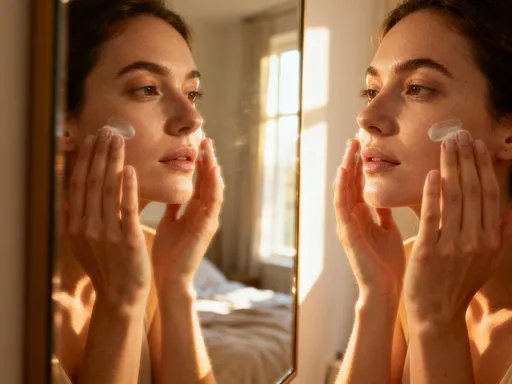
The final lesson I learned was that skincare doesn’t have to be complicated or time-consuming to be effective. In fact, the most successful routines are often the simplest. My current regimen takes less than ten minutes in the morning and evening. It includes a gentle cleanser, a hydrating serum, a moisturizer with ceramides, and daily sunscreen. I listen to my skin—if it feels sensitive, I skip exfoliation. If it’s extra dry, I add a facial oil. Flexibility and self-awareness are more important than rigid adherence to a plan.
Perfection is not the goal. There are days when I forget sunscreen or eat something that doesn’t agree with me, and that’s okay. Progress, not perfection, is what matters. Over time, consistency builds results. Skincare, at its core, is not about vanity—it’s about self-respect and daily self-care. It’s a way of showing up for yourself, even in small ways, every single day. When I stopped chasing flawless skin and started nurturing my overall health, my complexion improved in ways I hadn’t expected. The glow I see now isn’t from a filter or a filter—it’s the reflection of better sleep, cleaner eating, less stress, and more kindness toward myself.
What I’ve shared isn’t a one-size-fits-all solution, but a framework rooted in science, patience, and self-compassion. It’s about making choices that support long-term well-being rather than short-term fixes. For women navigating the demands of daily life, this approach offers a realistic, sustainable path to healthier skin. It’s not about buying more products or following the latest trend—it’s about tuning in, slowing down, and honoring the body’s natural wisdom. True radiance isn’t something you apply. It’s something you cultivate, day by day, through small, consistent acts of care.